Wig Tape and Lace Front Tape: Which Adhesive Strip Actually Holds and How to Use It Without Damaging Your Lace
July 22, 2026 · Marcus Vore
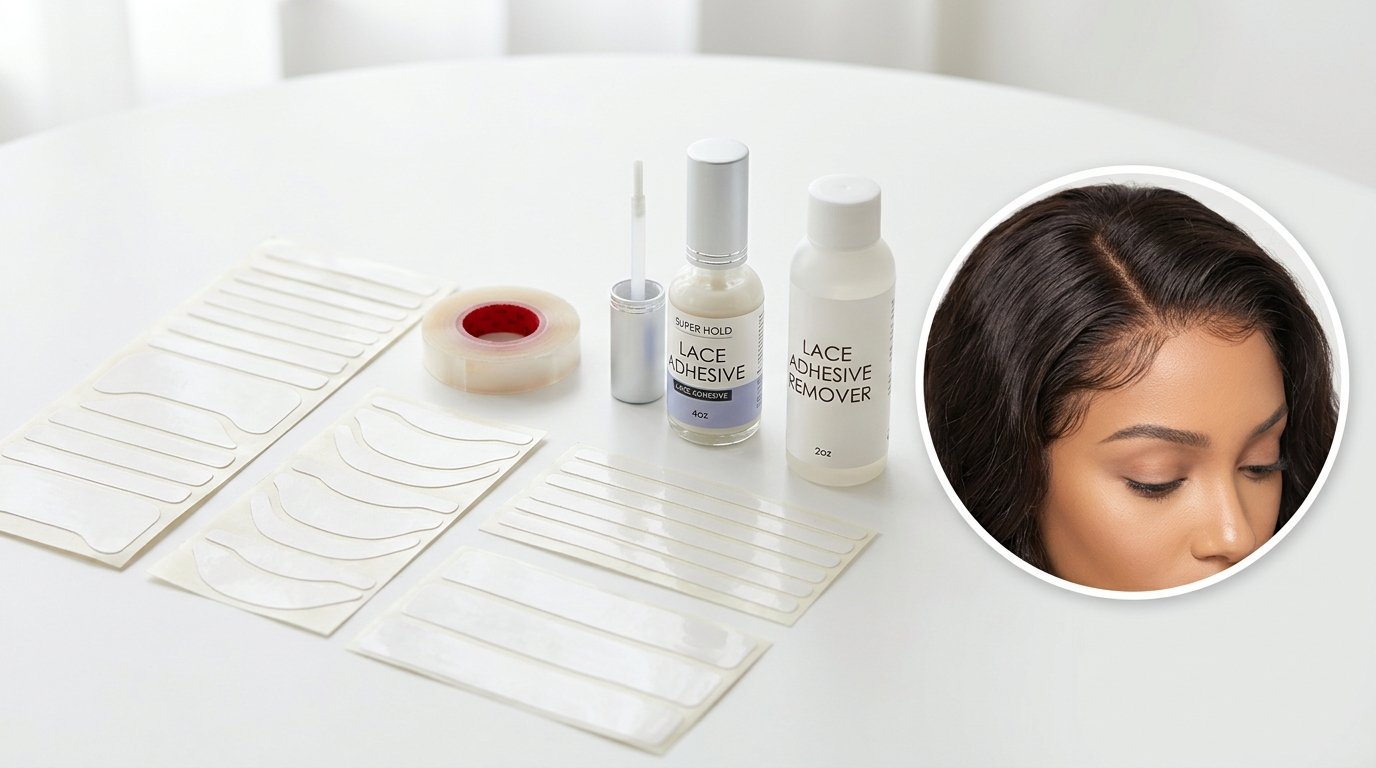
Wig tape is one of those products where a bad choice costs you more than just the tape. Choosing the wrong adhesive for your lace type can damage the lace permanently -- the knots pull, the mesh tears, or the adhesive residue bonds so thoroughly to the fiber that no solvent removes it cleanly. Choosing the wrong tape for your skin type means either failing hold (the tape lifts in hours) or skin irritation that becomes a problem with repeated use. Getting it right requires understanding what the different products actually are and what they are designed to do.
This guide covers every type of wig tape and lace adhesive strip in the market, from basic wig stickers to professional frontal tape, what the meaningful differences are between them, and how to apply and remove tape correctly so that neither your lace nor your skin pays the price for the learning curve.
The Different Products Called "Wig Tape"
The term wig tape covers several distinct products that work differently and are appropriate for different applications. Understanding the distinction matters before buying.
Wig Tape Strips / Wig Adhesive Strips
Wig tape strips are pre-cut pieces of double-sided adhesive tape in standard sizes -- typically small rectangles or curved strips designed to match the perimeter shape of a wig's hairline. One side bonds to the inside of the wig's cap edge; the other side bonds to the skin. They come in rolls or pre-cut packs and are the most widely available form of wig adhesive tape.
The key variable in wig tape strips is the adhesive strength and the adhesive type. Most wig tape is acrylic-based, with hold strength ranging from light (a few hours of gentle activity) to strong or "mega hold" (designed for extended wear through water, sweat, and physical activity). The tape does not simply get stronger as you move up the scale -- stronger adhesives are also more aggressive on lace and more difficult to remove from both the cap and the skin, which creates tradeoffs that matter for how you use the wig.
Lace Front Tape / Lace Front Adhesive Tape
Lace front tape is specifically formulated for use with lace front wigs and is the most important tape category for lace front wig wearers to understand correctly. The distinction from basic wig tape strips is in the adhesive formula: lace front tape uses an adhesive that bonds strongly to the polyurethane (PU) perimeter band that most lace front wigs have at the front edge, and to the skin at the hairline. It is also designed to be removable without pulling or tearing the thin lace mesh.
Lace tape for wigs -- including lace tape for frontals -- comes in both pre-cut strips and roll form. The roll form allows custom sizing for different hairline shapes, while pre-cut strips are more convenient for consistent application. Professional-grade lace front adhesive tape used in hair replacement salons is typically a roll product that is cut to fit the specific hairline during each installation.
Frontal Tape
Frontal tape specifically refers to the tape used to secure a lace frontal -- a hairpiece that covers the full front of the head from ear to ear, typically used in sew-in installs. Lace tape for frontals needs to hold across a wider surface area and for longer periods than standard wig tape strips, which means it tends to be a stronger adhesive than general-purpose wig tape. The frontal tape category overlaps with hair lace tape from professional hair replacement suppliers, which is designed for similar extended-hold applications.
Wig Stickers
A wig sticker is a single-sided adhesive patch applied to the inside of the wig's cap (rather than the skin) at the hairline area. The sticker provides a tackier surface that grips the skin through friction rather than chemical bonding, making it a gentler and more easily reversible securing method than double-sided tape. Wig stickers are particularly useful for sensitive skin, for wearers who want daily-removable security without the commitment of double-sided tape, and as a supplement to other security methods.
Tape Strength: What the Labels Mean in Practice
Wig tape products are typically labeled by hold duration or strength category. Here is what those labels actually translate to in real use:
Light hold / sensitive skin tape: Holds for four to eight hours of normal activity. Designed for sensitive skin -- uses a gentler adhesive that is less likely to cause irritation with daily use. Easiest to remove cleanly. Best for occasional or daytime-only wig wear, or for wearers who are new to wig tape and building a routine.
Regular / standard hold: Holds for one to three days. The most common tape category for daily wig wearers who remove and reapply their wig nightly. Balances security with reasonable removability. The best wig tape for most everyday users falls in this category.
Strong hold / mega hold: Holds for one to two weeks. Designed for extended wear without removal -- the tape used in bonded hair system installations and for wearers who wear their wig continuously. Significantly more difficult to remove and requires a proper solvent (adhesive remover) for clean release. Using strong tape for wigs without the right removal product damages both lace and skin. Do not use this category unless you are planning extended wear and have the correct removal supplies ready.
Waterproof: A subtype available within regular and strong hold categories. Designed to maintain hold through sweating, swimming, and showering. Important for active wearers or anyone wearing a wig in conditions where moisture exposure is frequent.
How to Apply Wig Tape Correctly
Application technique has as much impact on hold duration and lace safety as the tape choice itself.
Prep the skin first. Clean, oil-free skin bonds significantly better than skin with natural oils, moisturizer, or makeup on it. Wipe the hairline area with an alcohol-free skin prep wipe before applying any wig adhesive tape. Oily skin types benefit from a skin protector or scalp protector product applied before tape, which creates a barrier between the adhesive and the skin that improves both bond strength and the condition of the skin during extended wear.
Apply tape to the wig, not the skin. Place the tape on the inside perimeter of the wig cap or the PU band of the lace front first, then press the wig into position on the head. This gives you more control over positioning than applying tape to the skin and then placing the wig over it. Once positioned correctly, press along the taped areas firmly for several seconds to activate the adhesive bond.
Do not stretch the lace over the tape. Apply the wig in a relaxed position -- the lace should not be under tension when it makes contact with the tape. Stretching the lace over the tape bonds the lace in a tensioned state, which creates micro-stress on the lace knots over time and is one of the primary causes of premature lace degradation at the hairline.
Allow the bond to set before styling. Give the tape several minutes to fully set before applying heat tools, products, or tension to the hairline area. Immediately working the hairline area with a flat iron or laying edges before the adhesive has set fully compromises the final hold.
Removing Wig Tape Without Damaging Lace
Removal is where most tape damage to lace occurs, and it is entirely preventable with the right approach.
Never pull wig tape directly off the lace -- especially strong tape or tape that has been worn for an extended period. Pulling pulls the lace with it, stressing or tearing the mesh and pulling knots loose. The correct removal approach uses a lace-safe adhesive remover solvent, applied to the tape while the wig is still in position. Allow the solvent to penetrate the tape for thirty to sixty seconds before gently peeling the tape away from the lace edge. The tape should release without resistance; if it resists, apply more solvent and wait longer.
After removing the tape, clean remaining adhesive residue from the lace edge with a cotton swab and solvent before washing the wig. Residue left on the lace edge from previous tape applications accumulates over time and eventually creates a stiff, sticky border that attracts dust and compromises both the appearance and the bond quality of future tape applications.
Wig Glue Tape vs. Wig Glue: Which to Use
Wig glue tape (also called wig glue strips) is a solid adhesive in strip form, as distinct from liquid wig glue. The choice between them for lace front installation is largely a matter of preference and skin type. Tape is generally considered more predictable -- the hold duration and removal behavior are more consistent than liquid glue, which varies significantly with application thickness, drying time, and temperature. Tape is also cleaner in application -- no brush, no risk of accidentally getting adhesive into the lace mesh, no waiting for a liquid to dry. For beginners, wig glue tape is the more forgiving option. Experienced wig wearers often prefer liquid glue for the seamless, gap-free bond it provides across the full hairline, but the technique required is more specific and the removal is more involved.
Frequently Asked Questions
How long does wig tape hold, and how often should I change it?
Standard-hold wig tape strips typically maintain adequate adhesion for one to three days of daily wear before the bond weakens sufficiently that the tape should be replaced. The specific duration varies with skin type (oily skin breaks down adhesive faster), activity level (sweating shortens hold), and whether the wig is removed at night (daily on/off shortens tape life faster than continuous wear). The reliable approach is to change tape whenever you feel the hold weakening or see the tape edges beginning to lift rather than waiting for a set number of days. Old tape that has partially lifted and been re-pressed creates a weaker bond than fresh tape and increases the risk of the wig shifting at the worst moment. Change it on a schedule that keeps it consistently fresh rather than stretching it to its limit.
Can wig tape damage your hairline or skin with regular use?
Repeated adhesive tape on the skin at the hairline carries two primary risks: adhesive sensitivity reactions and traction stress on any natural hair at the attachment sites. For the skin: using a skin protector barrier product before tape application, choosing sensitive-skin formulated tape rather than the strongest available, and giving the skin rest days without tape when possible reduces the risk of adhesive dermatitis from accumulating adhesive exposure. For the hair: wig tape placed at the hairline where fine natural hair edges are present applies tension to those hairs when the wig is removed. Over months of daily use, this tension contributes to hairline thinning at the perimeter. To minimize this, position the tape slightly behind the natural hairline rather than directly on it, use the least tape necessary for adequate hold, and remove tape slowly with solvent assistance rather than pulling. Wig tape used carefully within a thoughtful routine is not inherently damaging -- the damage comes from careless application and removal habits, not from the tape itself.
If you are a wig retailer or beauty supplier looking to source wig tape, lace front adhesive tape, frontal tape, and related wig adhesive products at wholesale pricing, contact our team. We supply a full range of wig accessories and adhesives alongside wig inventory.
WhatsApp: +86 17347350405
Email: hello@voretrade.com