Wig Conditioner for Synthetic Hair: What Works, What Doesn't, and the Best Leave-In Options Explained
July 30, 2026 · Marcus Vore
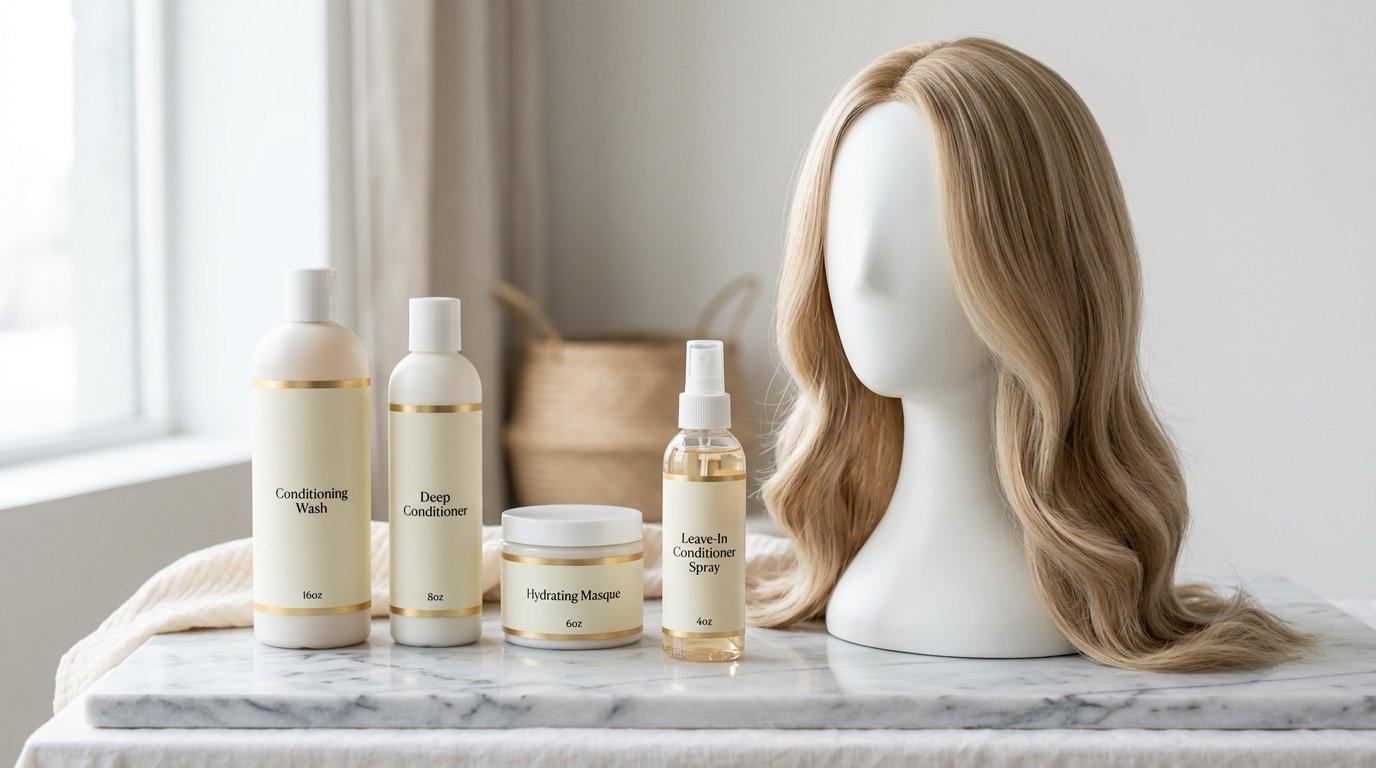
Conditioning a synthetic wig is one of the most commonly misunderstood aspects of wig care. The natural instinct -- pick up whichever conditioner is in your shower and apply it to the wig -- produces results that range from no benefit at all to active harm, depending on the product and how it is used. Understanding why synthetic fiber responds differently to conditioning ingredients than natural hair does takes about two minutes to learn, and it changes every conditioning decision you make for synthetic wigs going forward.
This guide covers exactly what conditioning does and does not do for synthetic hair, which types of products genuinely help, how to use leave-in conditioner for synthetic wigs correctly, and the fabric softener approach that experienced synthetic wig wearers rely on when dedicated products are not available.
Why Regular Conditioner Doesn't Work Well on Synthetic Wigs
Standard hair conditioner is designed to work on biological hair -- specifically on the cuticle, which is the outermost layered structure of a natural hair strand. Conditioner deposits moisturizing agents and smoothing compounds onto the cuticle through a charge-based bonding process: the positively charged conditioning molecules are attracted to the negatively charged damaged areas of the cuticle, where they deposit and form a smooth coating.
Synthetic fiber does not have a cuticle. It is a polymer -- a manufactured plastic-based strand -- with a smooth but chemically inert surface that does not carry the charge that conditioning molecules bond to. When you apply regular conditioner to synthetic hair, the conditioning molecules have nowhere to bond. Some remain on the surface temporarily, providing a minor friction-reducing effect. Over time, they accumulate as residue that makes the fiber feel slightly tacky and attracts dust, which makes the wig look dull rather than well-conditioned.
This does not mean conditioning synthetic wigs is pointless -- it means the goal and the mechanism are different from conditioning natural hair. Conditioning synthetic hair is about reducing surface friction and static, not about moisturizing or repairing cuticle damage. And the products that do this best are not the ones designed to bond with hair cuticles.
What Conditioning Actually Does for Synthetic Fiber
The two practical problems that conditioning addresses in synthetic wigs are:
Inter-fiber friction. Synthetic polymer strands have a higher surface friction coefficient than well-conditioned natural hair. This friction is what causes synthetic wigs to tangle more easily and feel rougher to the touch than natural hair. Products that deposit a thin lubricating film on the fiber surface reduce this friction -- making the wig easier to comb, helping strands move past each other more smoothly during wear, and reducing the tangling that friction promotes.
Static charge. Synthetic fiber generates and holds static electricity more readily than natural hair because polymer is a poor conductor -- static charges that accumulate on the fiber surface cannot dissipate, which causes the fiber to repel itself and stand away from the style. Products with anti-static ingredients dissipate this charge, which directly reduces the frizzing and separation that static causes in synthetic wigs, particularly in dry conditions.
The best synthetic wig conditioner addresses both of these problems. The best leave-in conditioner for wigs does so in a format that stays on the fiber and provides ongoing benefit through wear rather than only during and immediately after washing.
The Best Options for Conditioning Synthetic Wigs
Dedicated Synthetic Wig Conditioner
A conditioner specifically formulated for synthetic wigs is the most straightforward choice because it is designed for exactly the needs described above: friction reduction and static control for polymer fiber, without the heavy cuticle-bonding agents that create buildup. These products are available from wig specialty brands and are either rinse-out (used after shampooing, then rinsed away) or leave-in (applied to damp or dry hair and left in place).
When using a rinse-out synthetic wig conditioner: apply to the wet wig after shampooing, work through gently with your fingers, leave for two minutes, then rinse completely with cool water. The rinse is important -- residue left in the fiber builds up over time even with appropriate products.
Fabric Softener Rinse (The Reliable Substitute)
Fabric softener is the most widely used and most reliably effective substitute for dedicated synthetic wig conditioner, and it is worth understanding why it works so well. Fabric softener is designed for synthetic and natural fabrics -- it deposits cationic surfactants (positively charged surfactant molecules) that reduce fiber-to-fiber friction and static in exactly the same way a good conditioner reduces inter-fiber friction in hair. Since synthetic wig fiber is essentially the same material as synthetic fabric, fabric softener works on it for the same reasons and with similar effect.
The method: add one tablespoon of liquid fabric softener to a basin of cool water (enough water to fully submerge the wig). After shampooing, submerge the wig in the fabric softener water and swirl gently for two minutes. Rinse with fresh cool water. The result is noticeably softer, lower-static fiber that combs and wears better than unaltered synthetic hair.
The key is dilution -- applying fabric softener undiluted to synthetic hair creates heavy residue. In a diluted rinse that is subsequently rinsed out, it provides its benefits cleanly.
Leave-In Conditioner for Synthetic Wigs
A leave-in conditioner for synthetic hair serves a different function from a rinse-out conditioner -- it is applied to the wig (typically when it is damp after washing, or lightly to dry hair between washes) and left in place to provide ongoing friction reduction and static control during wear.
The best leave-in conditioner for wigs in the synthetic category is a lightweight spray or mist rather than a cream or serum. Heavy leave-ins create buildup on synthetic fiber quickly; light sprays provide the same surface benefits with less accumulation.
What to look for in a leave-in conditioner for synthetic hair: lightweight formulation, anti-static properties listed in the description or ingredients, no heavy silicones or oils prominently listed (these accumulate on synthetic fiber), and a product specifically described as suitable for synthetic hair or wigs.
How to use: after washing and placing the damp wig on a wig stand, mist lightly and evenly over the hair and allow to dry in. Do not saturate -- a fine, even mist is sufficient. For between-wash application on a dry wig, an even lighter touch: a few spritzes held at arm's length from the wig, then a gentle finger-through to distribute, is all that is needed.
Conditioning Synthetic Wigs vs. Human Hair Wigs: The Key Difference
Human hair wigs genuinely need conditioning in the way natural hair does -- the biological fiber absorbs moisture and conditioning agents, benefits from protein when it is damaged, and dries out without regular moisture replenishment because the wig has no scalp to produce oil. The best leave-in conditioner for human hair wigs is a substantive moisturizing leave-in that penetrates the hair shaft and provides real moisture support.
Synthetic wigs need conditioning in a different and more limited sense -- surface friction reduction and static control, not moisture penetration. This is why the same leave-in conditioner that works beautifully on a human hair wig may do nothing useful (or cause buildup) on a synthetic wig. The fiber types genuinely need different products, and using the appropriate product for each makes a visible difference in how both types of wigs look and feel.
Signs Your Synthetic Wig Needs Better Conditioning
- The wig develops significant frizz quickly after styling or washing
- Combing through the wig feels rough or catches even on sections without visible tangles
- The wig sticks to your clothing or face (static charge)
- The fiber feels rough or slightly scratchy rather than smooth
All of these are signs of high inter-fiber friction and static -- exactly the problems that appropriate synthetic wig conditioning addresses. Introducing a fabric softener rinse after washing, or a lightweight leave-in spray between washes, typically resolves all of these symptoms within one to two wash cycles.
Frequently Asked Questions
Can I use regular leave-in conditioner on a synthetic wig?
You can, but the results are usually disappointing and may make things worse over time. Regular leave-in conditioners are formulated for biological hair -- they contain moisturizing agents, proteins, and oils that work by penetrating the hair shaft or bonding to the cuticle. Synthetic fiber has no shaft to penetrate and no cuticle to bond to. These ingredients sit on the surface of synthetic fiber without serving their intended function, and with repeated application they accumulate as a coating that makes the fiber feel slightly waxy, look dull, and attract more dust and lint than usual. A light application of a regular leave-in conditioner on a synthetic wig once is unlikely to cause obvious damage, but regular use over weeks and months progressively degrades the fiber's appearance. If you do not have a synthetic-specific product, the fabric softener dilution method (described above) is more effective and less likely to cause buildup than any leave-in conditioner designed for natural hair.
How often should I condition my synthetic wig?
For rinse-out conditioning (fabric softener rinse or dedicated synthetic conditioner applied after washing and rinsed out): every time you wash the wig. The friction reduction and anti-static benefits of a conditioning rinse are temporary -- they provide benefit through the current wear cycle and need to be refreshed with each wash. Skipping the conditioning rinse after washing means the wig goes back into wear with maximum inter-fiber friction, which accelerates the tangling and static that conditioning prevents. For leave-in conditioning: once per week for daily wearers, or at the start of each wear cycle for less frequent wearers. Apply lightly -- a fine mist, not a saturating application. More frequent leave-in conditioning on synthetic hair is not more beneficial and increases the buildup risk that makes the fiber look dull over time.
If you are a wig retailer or beauty business sourcing synthetic wigs and care products -- including wig conditioners, detangling sprays, and leave-in treatments -- at wholesale pricing, contact our team. We supply complete inventory and care product ranges for wig businesses at every scale.
WhatsApp: +86 17347350405
Email: hello@voretrade.com