Wavy Wigs: The Complete Guide to Wavy Human Hair Lace Wigs, Wavy Synthetic Styles, and How to Choose Your Wave
August 13, 2026 · Marcus Vore
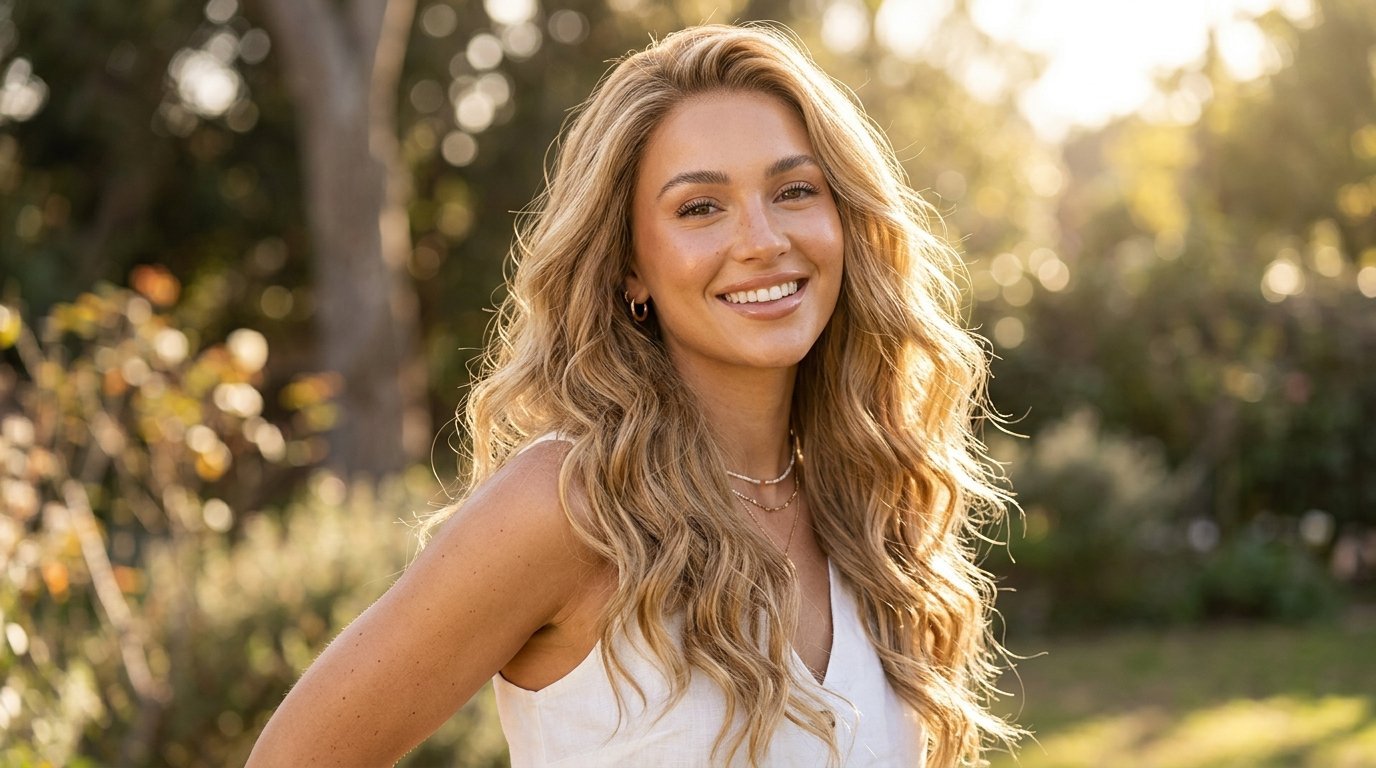
The appeal of wavy wigs comes down to something that takes years to achieve with real hair but arrives instantly with a wig: effortless texture. The beach wave look -- full, natural-moving hair with a relaxed undulation that photographs beautifully and holds its shape through a full day of wear -- is one of the most universally flattering hair styles across face shapes and skin tones. It is also one of the most time-consuming to create from scratch with a curling iron on natural hair, requiring technique, time, and often a second person with a mirror to get the back sections right.
A well-constructed wavy hair wig delivers that result in under five minutes. The style is built into the wig; you simply put it on. This guide covers the key decisions in choosing wavy wigs -- fiber type, wave pattern, length, lace construction -- and what to look for in both human hair and synthetic options to find a wave that actually lasts.
Understanding Wave Patterns: Not All Wavy Wigs Look the Same
Wave pattern is the most important specification to understand when shopping for any wavy hair wig, because "wavy" covers a wide range of actual patterns:
- Loose body wave: The subtlest wave pattern -- large, gentle S-curves that add volume and movement without dramatic definition. The most versatile wave pattern for everyday wear, suitable for professional and casual contexts. Body wave wigs look closest to naturally voluminous, lightly waved hair.
- Beach wave / natural wave: The mid-range wave -- more defined than body wave but less tight than a deep wave. This is the signature pattern of beach wigs, creating the relaxed sun-dried texture that is currently the most popular wave style in both the wig market and mainstream hair trends. Wavy long hair wigs in beach wave are among the highest-selling wig styles across all price points.
- Deep wave: A more defined, tighter S-curve that creates significant texture and volume. Deep wave wigs sit at the boundary between wavy and curly wavy wigs -- they have the defined spiral of a curl but the open S-shape of a wave. These styles require more maintenance to keep the wave definition clean and are better suited for buyers comfortable with regular styling.
- Water wave: A wet-look pattern with a tighter, more uniform ripple than beach wave. Water wave wigs can be worn in their natural wet-look state (applying a curl cream or gel to enhance definition) or diffused out to a looser wavy texture. Particularly popular for wavy curls wigs that offer flexibility between a curl look and a wave look depending on how they are styled.
Wavy Human Hair Wigs: Why They Look Different
Wavy human hair wigs have a quality that synthetic alternatives genuinely struggle to replicate: movement. Human hair has a specific weight, surface texture, and flexibility that allows wavy styles to move with the wearer in a way that closely resembles natural hair. When a person wearing a long wavy human hair wig turns their head or moves through wind, the waves separate, flow, and resettle in a pattern that looks biological rather than manufactured.
For wavy human hair lace wigs -- combining human hair fiber with lace front construction -- this movement quality combines with an undetectable hairline to produce a result that experienced wig stylists describe as the closest available approximation to the wearer's own natural wavy hair. The lace front creates the hairline; the human hair creates the movement; together they address the two most common giveaways that a style is a wig.
Long Wavy Human Hair Wigs
Long wavy human hair wigs -- typically 20 inches and longer -- are among the most impactful and most photographed wig styles. At longer lengths, the wave pattern has more room to develop its full shape, the hair's natural movement is more dramatic, and the overall visual effect is more substantial. The trade-offs: longer wigs require more maintenance (ends tangle more, require more conditioning, and show wear faster), they are heavier and warmer to wear than shorter styles, and they cost significantly more in human hair construction than mid-length alternatives. For buyers who specifically want the voluminous long wavy look and are prepared for the maintenance it requires, a quality long wavy wig in human hair is worth the investment.
Wavy Bob Human Hair Wigs
The wavy bob human hair wig is the shorter-length alternative that is experiencing growing popularity -- a mid-length bob (typically 10-14 inches) with a beach wave or body wave pattern. The wavy bob sits in a sweet spot between the ease of a shorter wig and the texture interest of a wavy style. It is cooler to wear in warm weather, requires less conditioning than longer versions, and the wave pattern at bob length creates a slightly different visual effect -- fuller-appearing at the sides with natural face-framing movement -- that suits a wide range of face shapes.
Wavy Synthetic Wigs: What to Expect
Wavy synthetic hair and wavy synthetic wigs are the accessible entry point into wavy wig styles. Quality wavy synthetic lace front wigs have improved considerably in recent years -- premium synthetic fiber in wave styles can look genuinely convincing in photos and at conversational distances, at a fraction of the cost of equivalent human hair options.
What distinguishes better synthetic wavy wigs from lower-quality ones:
- Fiber quality: Higher-quality synthetic fiber in wavy styles maintains its wave pattern through more wash cycles and more hours of wear. Lower-quality fiber begins to frizz at the wave peaks -- the outer surface of the S-curve -- after just a few washes, reducing wave definition and increasing the wig's overall frizzy appearance.
- Wave consistency: In well-made wavy synthetic lace front wigs, the wave pattern is consistent from root to end throughout the wig. In lower-quality versions, the waves may be inconsistent in size and direction, or may be more defined in some sections than others depending on how the fiber was set.
- Natural-looking sheen: Synthetic fiber tends toward a slightly higher sheen than human hair. In wavy styles, this can read as a slightly plastic-looking shine at the wave peaks in lower-quality fiber. Better-quality synthetic wavy wigs use fiber with a more matte finish that more closely resembles the light behavior of natural hair.
Wavy Blonde Hair Wigs: Color and Wave Considerations
The wavy blonde hair wig category deserves specific mention because blonde is one of the most popular colors in wavy styles, and the combination of lighter color and wave texture creates specific visual considerations. In lighter-colored wavy wigs -- blonde, champagne, platinum, honey -- the wave pattern creates shadow and highlight effects that add visual depth and dimension to the color. This is why many colorists note that warm blonde tones look particularly rich and dimensional in wavy styles: the wave's peaks catch light while its valleys fall into slight shadow, replicating the dimensional effect that professional highlights create on natural hair.
For synthetic wavy blonde hair wigs, look specifically at how the color is constructed: single-tone blonde wigs can look flat in wavy styles, while wigs with tonal variation (highlights, dimension within the blonde, or a slightly darker root) look significantly more natural. Human hair wavy blonde wigs with balayage or highlights are among the most convincingly natural-looking wig options available, though they command premium pricing.
Beach Wigs: The Effortless Texture Style
Beach wigs are a specific style subcategory defined by their intentionally undone, sun-kissed appearance -- they look like hair that has been at the ocean: relaxed, textured, slightly tousled, with an organic wave pattern that looks created by salt and sun rather than heat tools. The beach wig look typically combines:
- A loose or medium wave pattern (not too tight, not too structured)
- Warm color tones (blonde, honey, caramel, brunette with highlights) that suggest sun exposure
- A natural, undone finish rather than a polished, blowout-smooth appearance
- Length that allows the wave to develop its full relaxed shape -- typically 16 inches or longer
Both human hair and synthetic versions are available in beach wig styles. The human hair version is more realistic in movement but requires slightly more maintenance to keep the wave definition fresh. A quality synthetic beach wig, worn directly from the packaging without restyling, often achieves the beach texture look more immediately than a human hair equivalent that needs the wave refreshed after washing.
Maintaining Wavy Wigs: Preserving the Wave Pattern
The wave pattern in any wig -- human hair or synthetic -- requires specific care to remain defined:
- Air dry on a wig stand after washing: Never put a wavy wig in a bag or lay it flat while damp -- this flattens the wave. Place on a wig head and allow to air dry completely in its natural wave position.
- Diffuse rather than blow dry: If using heat to dry a human hair wavy wig, a diffuser attachment on low heat encourages the wave to set in its natural direction rather than blowing it straight.
- Finger-detangle, not brush-detangle: Brushing a wavy wig while dry disrupts the wave pattern and creates frizz. Detangle with fingers or a wide-tooth comb while applying a leave-in conditioner mist to maintain wave definition while removing tangles.
- Refresh waves between washes: A light mist of water mixed with a small amount of leave-in conditioner, applied to the wig and scrunched gently from ends upward, refreshes the wave pattern between full washing sessions.
Frequently Asked Questions
Can I straighten a wavy human hair wig, and will the waves come back after washing?
Yes to both, with an important condition. A wavy human hair wig can be straightened with a flat iron the same way natural wavy hair can -- heat-styling will temporarily override the wig's wave pattern and produce a straight style. After washing and air drying, the wave pattern will return, because the wave in a human hair wig is either the hair's natural texture (in the case of wigs made from naturally wavy donor hair) or a permanent wave set through a processing step during wig construction. Either way, the wave is a structural characteristic of the hair that reasserts itself when the hair returns to its natural state after washing. The practical implication: if you want to wear the wig in a straight style on some days and its natural wavy style on others, this is fully possible with a human hair wavy wig. Straighten it when you want the straight style, wash and air dry when you want the wave back. The one caveat: repeated high-heat straightening over many months will gradually relax the wave pattern, particularly in processed-wave wigs where the wave was chemically created rather than naturally occurring. Keeping heat tool temperature reasonable (below 380°F / 193°C) and using heat protectant before straightening minimizes this gradual wave relaxation over the wig's lifetime.
Do wavy synthetic lace front wigs maintain their wave after washing, or does the wave flatten out?
In quality wavy synthetic lace front wigs, the wave pattern is heat-set into the fiber during manufacturing -- it is a permanent characteristic of the fiber structure, not a temporary styling application. When the wig is washed correctly (cool water, gentle swishing rather than scrubbing, thorough rinsing) and allowed to air dry on a wig stand without compression, the wave pattern will return to its factory shape after drying. This is actually one of the practical advantages of synthetic over human hair for wavy styles: a synthetic wig's wave requires no restyling after washing -- the wave resets automatically as the fiber dries. The caveat: the washing and drying process matters. Washing in warm or hot water can partially relax the heat-set wave in synthetic fiber. Drying while compressed in a bag or folded flat will flatten the wave as it dries and sets in the flat position. The correct process -- cool water wash, wig stand air drying with the hair hanging freely -- preserves the wave pattern reliably through many wash cycles. Lower-quality wavy synthetic wigs may show some wave relaxation after 5-8 washes regardless of care technique; higher-quality fiber maintains its pattern for significantly more wash cycles before any noticeable wave relaxation becomes apparent.
If you are a wig retailer, beauty supply business, or wholesale buyer looking to source wavy wigs -- including wavy human hair lace wigs, wavy synthetic lace front wigs, long wavy wigs, and wavy bob styles -- at wholesale pricing, contact our sourcing team. We supply wavy wigs across fiber types and wave patterns at competitive wholesale pricing.
WhatsApp: +86 17347350405
Email: hello@voretrade.com