Purple Wigs: Every Shade from Soft Lavender to Deep Black and Purple — and How to Choose the Right One
June 23, 2026 · Marcus Vore
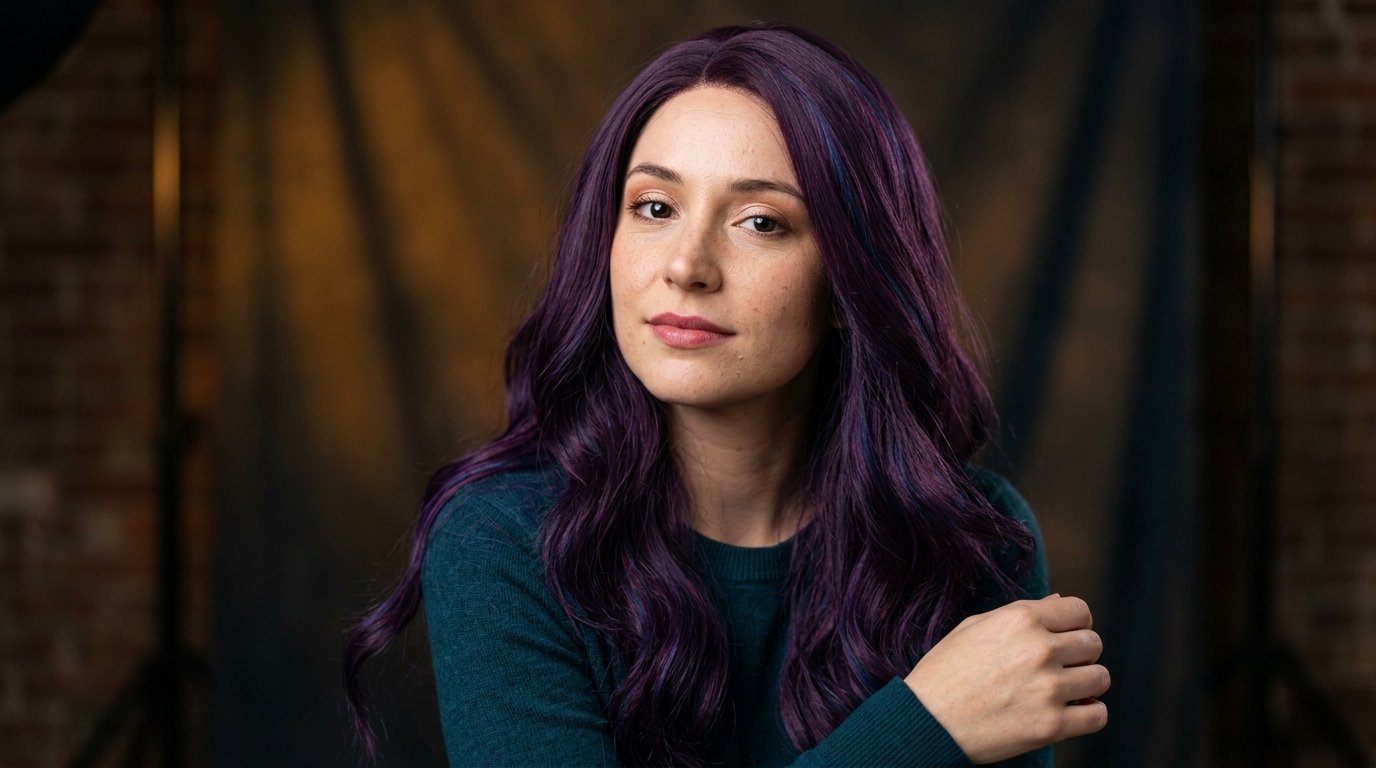
Purple sits in a particular sweet spot in the wig color spectrum. It is bold enough to be a genuine statement, but it has enough range — from barely-there lavender to near-black deep plum — that it reads differently depending on which shade you choose and how you wear it. A soft pastel purple wig can look ethereal and approachable in a way that, say, a neon green wig never would. A deep black and purple wig can be as sophisticated as it is striking. A blue and purple wig, done right, looks like something out of editorial fashion.
The problem is that purple is also one of the most inconsistently photographed wig colors on the market. Listing photos show rich, saturated jewel tones under studio lighting. The wig arrives and looks noticeably more washed-out, more pink-toned, or more red-toned than expected. This guide is partly about understanding what purple actually looks like in practice — across different fiber types, different shades, and different lighting conditions — so you can make a choice that holds up outside of a product photographer's lightbox.
The Purple Spectrum: What Each Shade Actually Looks Like
Soft and Light Purple Wigs
The lightest end of the purple range covers lavender, lilac, and pale violet. These shades work by contrasting with skin tone rather than overpowering it. On fair skin, a light lavender wig creates a soft, slightly otherworldly effect — think editorial fairy, not Halloween costume. On medium skin tones, light purple tends to read as more fashion-forward. On deeper skin tones, light lavender can wash out depending on the specific undertone; pale violet with a slight warm cast often works better than pure grey-lavender.
A light purple wig long in style is one of the most searched configurations in this color, and the visual logic is clear — the length amplifies the drama of the color, and long lavender or pale violet hair has a distinctly fantasy-forward quality that shorter styles do not achieve in the same way. If you buy a light purple wig long in length, fiber quality matters more than it does at shorter lengths: thin or low-density light purple fiber looks sparse and faded, while a dense, well-saturated version looks genuinely impressive.
One thing to be aware of with light purple wigs: the shade is sensitive to color shift under different lighting. Under warm incandescent light, light purple can read as slightly pinkish. Under cool or blue-tinted light, it leans whiter. Natural daylight usually gives the most accurate read. This is why review photos taken in natural light are more reliable than listing photos for light purple wigs — you want to see what the color actually looks like on a person, in real conditions.
Medium Purple: The Classic Range
This is where most people picture "purple wig" — a saturated violet or amethyst shade that reads clearly as purple in any lighting. Medium purple wigs are probably the most versatile in the category. They are bold enough to be a statement but stable enough in color that they do not shift dramatically between indoor and outdoor light. A medium purple sits clearly between lavender (too light to read as fully purple) and deep plum (so dark it can read as blue-black in certain lights).
In this range, the wig's undertone makes a meaningful difference. Purple with red/pink undertones looks warm and rich — closer to a berry or wine direction. Purple with blue undertones looks cooler and more jewel-toned. The cool blue-toned purples tend to photograph more consistently and work across a wider range of skin tones, which is why they dominate the listing photography for this color category.
Black and Purple Wigs
A black and purple wig is its own distinct aesthetic. The combination can be executed in several ways: dark roots that transition into purple ends (ombre style), purple highlights or streaks through a predominantly black base, a deep plum that reads as nearly black except in direct light, or split-color designs with distinct sections of each. Each creates a very different visual effect.
Dark ombre black and purple wigs are the most popular configuration because they look intentional and sophisticated — the roots appear natural even if you are not hiding any bio hair underneath, and the color transition toward purple gives movement and depth to the look. For everyday wear, an ombre black to purple is much more wearable than a solid vivid purple — it reads less like a costume and more like a deliberate fashion choice.
The solid deep plum option is worth considering if you want the drama of black-adjacent hair with a color depth that reads differently in different lights. Under artificial indoor lighting, deep plum can look nearly black. In natural daylight or direct light, the purple richness comes through clearly. It is a versatile play if you want something that does not always announce itself as colored hair.
Blue and Purple Wigs
Blue and purple sits at the intersection of two of the most popular fantasy hair colors, and when the two are combined well — whether as a gradient, a blended tone, or distinct sections — the effect is genuinely striking. The challenge with blue and purple wigs is getting the balance right. Too much blue and it reads as a blue wig with purple accents. Too much purple and the blue disappears under most lighting. The best blue and purple wigs have intentional color placement that lets both tones read clearly.
Blue and purple wigs suit a particularly wide range of skin tones because the cool tones work with both cool and neutral complexions, and the warmth of purple prevents the purely cold effect that a solid blue wig can have on some skin tones. For cosplay, blue and purple is a combination that appears across dozens of character designs in anime, games, and fantasy media. For fashion wear, the combination reads as fashion-forward rather than costume-specific, which makes it more wearable outside of convention contexts than some other vivid color combinations.
Fiber Matters More in Vivid Colors Than Almost Anywhere Else
Color saturation holds differently in different fiber types. High-grade synthetic fiber specifically manufactured for vivid colors maintains saturation better than budget-tier fiber that was not designed for this application. Budget purple wigs fade faster, sometimes within a handful of wears, to a dusty or pinkish-grey that looks nothing like what arrived in the box. This is the primary quality failure mode in this color category.
For a purple wig you intend to wear more than occasionally, look for listings that specify fiber grade and check reviewer comments specifically about color durability. The questions to ask: does it fade noticeably after washing? Does it shift color in sunlight? Does the color look consistent from root to tip or are there obvious dye variations? These details reveal how the fiber was manufactured and what the color will actually look like over time.
Where to Find a Purple Wig Nearby or Online
If you are searching for a purple wig nearby — meaning you want to see it in person before buying — your options depend significantly on your location. Beauty supply stores in urban areas occasionally stock vivid color wigs, but selection tends to be limited to the most popular shades and styles. Costume shops carry purple wigs around Halloween but the quality is often novelty-tier rather than wearable-everyday tier. Specialty wig boutiques, where they exist, are the best in-person option for seeing fiber quality and color accuracy before committing.
For the widest selection at the broadest price range, online is where the real market for purple wigs lives. The advice that applies across any vivid color applies here: buyer photos in reviews beat listing photos. Natural daylight buyer photos beat indoor flash photos. And prioritize listings where multiple reviewers confirm that the color looks accurate and has not faded unexpectedly.
Frequently Asked Questions
Will a purple wig look good on my skin tone?
Purple is more forgiving across skin tones than most vivid colors, but the specific shade matters. Light lavender suits fair-to-medium skin tones most naturally. Medium violet works across a broad range. Deep plum or black-and-purple combinations suit almost any skin tone because the darkness of the base color grounds the look regardless of complexion. Blue-and-purple specifically tends to work well on medium and deeper skin tones, where the cool tones create a strong contrast rather than washing out the look. The undertone of the purple matters too — warm pink-purple warms up the face, cool blue-purple cools it. If you are unsure, trying on in person is ideal; if that is not possible, looking at reviewer photos on people with similar skin tones is the next best thing.
How do I keep a purple wig from fading?
Vivid colors in synthetic fiber fade from three main sources: UV exposure, heat, and product buildup. Keep your purple wig out of direct sunlight — even indirect but prolonged sun exposure will bleach out the color gradually. Do not use heat styling tools on non-heat-resistant fiber (and even on heat-resistant fiber, excessive heat accelerates color fading). Wash sparingly — over-washing strips color faster than normal wear does. When you do wash, use cold water rather than warm, which opens the fiber structure and lets color leach out faster. Store the wig away from light and in a breathable container rather than a sealed plastic bag, which can trap heat. Following these steps can meaningfully extend the lifespan of the color before it starts to fade noticeably.
If you are a wig retailer, boutique owner, or cosplay supplier looking to stock purple wigs — in any of the shades covered in this guide — contact our sourcing team. We supply vivid color wigs including purple, blue-purple, and black-and-purple styles in both synthetic and human hair options.
WhatsApp: +86 17347350405
Email: hello@voretrade.com