Luxury Wigs: What They Cost, What Justifies the Price, and Who Is Actually Buying Them
June 29, 2026 · Marcus Vore
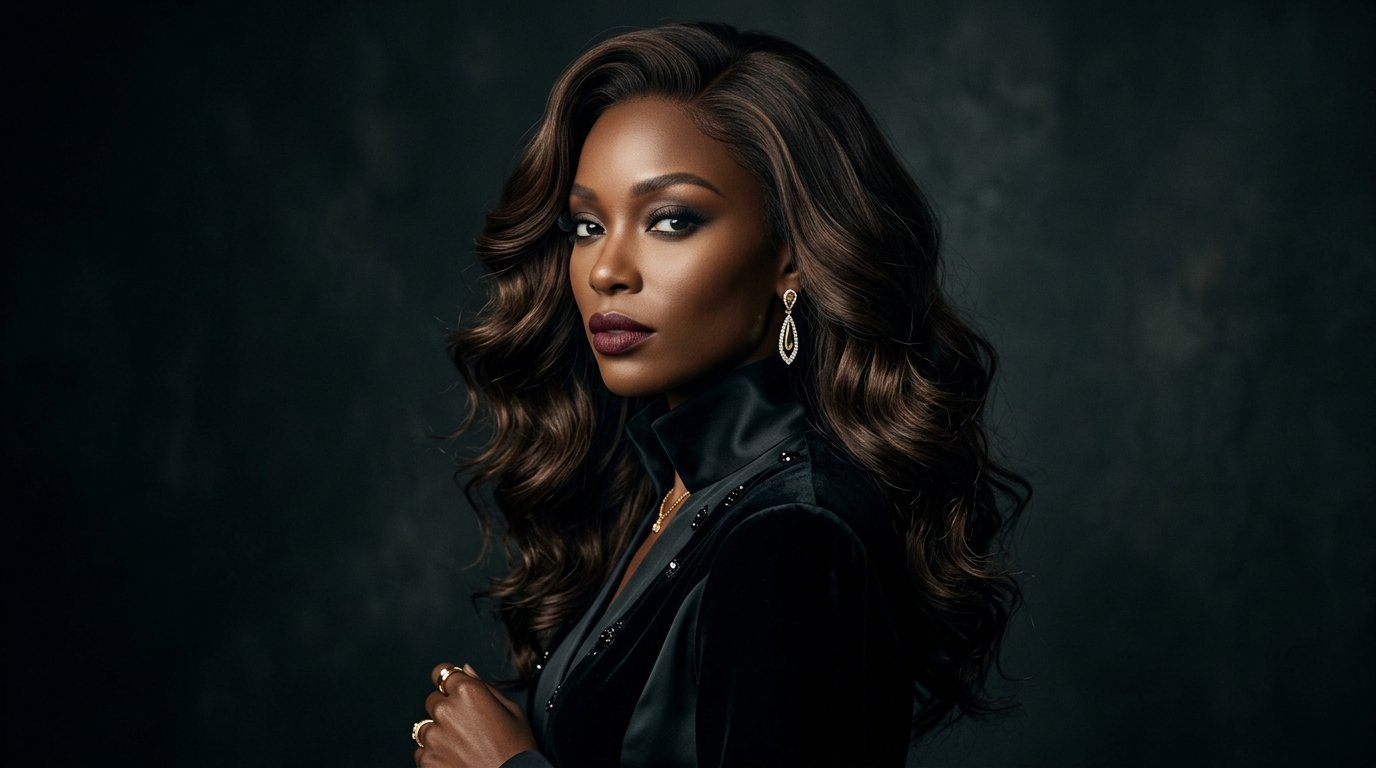
There is a version of the wig market most buyers never see. It exists above the price points that appear in Google Shopping results, above the human hair lace fronts at specialty boutiques, and well above anything stocked at a beauty supply store. In this tier, wigs cost the same as a semester of college tuition. The most expensive wigs in the world are priced like luxury watches. And unlike a watch, a wig is something that gets worn, washed, and eventually replaced.
The obvious question is: what could possibly justify that? The answer is more interesting than you might expect -- and it says something about what craftsmanship, materials, and exclusivity actually mean in a category that most people treat as a commodity product.
What "Luxury" Actually Means in the Wig Market
In most luxury categories -- watches, bags, cars -- the word carries a cluster of signals: exceptional materials, extraordinary craft, brand heritage, and scarcity. Luxury wigs operate on the same framework, but the specifics of what those signals mean in hairpiece construction are not widely understood.
A truly luxury wig starts with the hair itself. The highest-grade human hair for wig construction is single-donor virgin hair -- meaning it comes from a single person, has never been chemically processed, and has cuticles running in one consistent direction from root to tip. This is different from the blended multi-donor hair used in most human hair wigs, even good ones. Single-donor hair behaves as one coherent unit. It moves together, reflects light uniformly, and can be colored or styled without the inconsistent results that come from blending different hair histories into one piece. Finding enough single-donor hair of consistent length, color, and texture for a long, dense wig is genuinely difficult, which is part of why the price scales the way it does.
The cap construction of a luxury wig is almost always full hand-tied -- meaning each individual hair is knotted by hand into the cap mesh rather than machine-sewn in wefts. Full hand-tied construction allows every hair to move independently, creates a natural-looking scalp that can be parted anywhere, and eliminates the slight density irregularities that machine-sewn construction produces. A skilled wig maker tying a full lace cap by hand can spend 40 to 80 hours on a single piece. That labor cost alone accounts for a significant portion of the premium.
How Much Do the Most Expensive Wigs Cost?
Entry-level luxury wigs -- meaning pieces that qualify by construction and hair quality standards but are not bespoke or custom-built -- start around $1,500 to $3,000. These are full hand-tied, single or near-single donor human hair wigs from reputable wig makers with established quality reputations. At this price point, you are getting construction quality and hair quality that is genuinely different from what the mainstream market offers, and a piece that will last significantly longer with proper care.
Mid-tier luxury wigs from recognized luxury wig brands run $3,000 to $8,000. At this level, customization becomes part of the product: color, density, cap fit, texture, and sometimes even the specific hair origin can be specified. Pieces are often built to order rather than pulled from inventory.
The most expensive wigs in the world are in a different category entirely. Bespoke pieces commissioned from the top wig makers in London, New York, or Paris -- where the maker's name and waiting list are part of the value -- can run $10,000 to $30,000. These are made entirely from the finest sourced hair, built to exact head measurements, and often include ongoing maintenance agreements as part of the commission. The clientele for these pieces includes celebrities who require wig work for film or television and private individuals for whom the cost is genuinely not a primary consideration.
The most expensive wig in the world on record -- depending on what sources you consult -- is a custom piece commissioned for film production or for a collector that runs into six figures when you include the hair sourcing, craft, and associated intellectual property. These are extreme outliers, not representative of even the luxury market as a whole.
Who Buys Luxury Wigs?
The market for luxury wigs is smaller and more diverse than most people assume. The buyers break into a few distinct groups:
Medical Hair Loss Clients
A significant portion of the luxury wig market serves people experiencing hair loss from medical causes -- chemotherapy, alopecia, trichotillomania, scarring alopecia -- who have the means to invest in the best available solution and for whom the quality of the result matters enormously. For someone who will wear a wig every day, the difference between a $300 wig and a $3,000 wig is not abstract. The luxury piece fits better, stays more secure, looks more natural under all conditions, and requires less daily management. Amortized over two to three years of daily wear, the cost per day of a luxury wig is less dramatic than the sticker price suggests.
For this customer, a luxury wig is not a fashion statement. It is a quality-of-life investment, and the value calculation is entirely different from someone buying a wig as an accessory.
Entertainment Industry Professionals
Film, television, and theater have always been the natural home of the highest-quality fancy wigs. Productions with large budgets require pieces that hold up under production lighting, multiple takes, and the scrutiny of high-definition cameras that reveal every fiber and every line. The professional wig makers who serve the entertainment industry -- particularly in London's West End and Hollywood -- work at a craft level that sits above the commercial wig market entirely.
Actors and performers who require wigs regularly for their work often commission personal pieces separate from what their production provides, because owning a custom wig built to their exact specifications is more practical than relying on whatever is in a studio's wig department for every project.
Wig Collectors and Enthusiasts
A smaller but real segment of the luxury wig market is made up of enthusiasts who approach the category the way others approach fine timepieces or rare textiles -- as objects of craft worth owning and caring for beyond purely functional reasons. This buyer is interested in the provenance of the hair, the biography of the maker, the construction techniques, and the history of the piece. The market for this buyer is niche but not negligible.
Luxury Wig Brands Worth Knowing About
The landscape of luxury wig brands is smaller and less publicly profiled than most luxury fashion categories. The leading names in the professional and luxury segment include wig makers who have served film and theater for decades and whose work is known by reputation within the industry rather than through mass-market marketing. A few categories worth knowing:
London-based theatrical wig makers -- firms that have supplied the Royal Shakespeare Company, the National Theatre, and major West End productions -- represent the oldest continuous tradition of high-craft wig making. Their work is primarily theatrical and professional, but many accept private commissions.
New York and Los Angeles-based custom wig studios serving the film and television industry work to similar standards and often have waiting lists for bespoke private commissions alongside their production work.
European hair houses -- particularly in Italy and France -- supply the finest raw hair for luxury wig construction and in some cases also produce finished pieces for private clients. The relationship between the hair supplier and the wig maker is similar to the relationship between a fabric house and a couture atelier in fashion.
In the broader sense, some established wig retailers with a reputation for quality have what might be called a "premium tier" that uses better construction and hair grade than their standard line -- these are not luxury wig brands in the strict sense, but they offer meaningfully better quality than the mass market at prices between $500 and $1,500.
Is Any of This Worth It?
For daily-wear wig users who can afford the investment, the honest answer is yes -- but not at every price point on the luxury spectrum. The jump from a $300 wig to a $1,500 wig is significant and generally justified by the quality difference. The jump from $1,500 to $8,000 involves diminishing functional returns, though the craftsmanship and customization value remains real. The jump into five- and six-figure territory is about exclusivity and provenance as much as function -- similar to why someone pays $30,000 for a watch that tells the same time as a $200 one.
For occasional-wear or fashion-use buyers, the value calculation is different. Spending $2,000 on a wig you will wear twice a year is a different proposition than spending the same amount on something you wear daily. The quality is still real; whether it justifies the cost depends entirely on how you weight it against other uses of the money.
Frequently Asked Questions
What is the most expensive wig in the world, and who owns it?
The answer depends on whether you count custom one-off pieces made for specific productions or individuals, or whether you are looking at the most expensive commercially available luxury wig. For commercial luxury wigs, bespoke full hand-tied human hair pieces from top London wig makers have been commissioned at prices exceeding $25,000 to $30,000 for extremely long, complex builds using rare single-donor hair. For pieces made specifically for film production or private collectors, documented costs above six figures exist but are not publicly verified in detail. Most of these transactions are private, and the "most expensive wig in the world" claim circulates in different forms without a single verified record holder. What is certain is that the top of the market is considerably higher than most people expect when they first encounter it.
How long does a luxury wig actually last?
A properly maintained luxury human hair wig -- full hand-tied construction, single-donor virgin hair -- can last five to ten years with daily wear if cared for correctly. This is genuinely different from even a good mid-market human hair wig, which typically lasts one to three years of regular wear before the fiber and cap construction begin to show meaningful degradation. The longer lifespan of a luxury wig significantly changes the cost-per-wear calculation: a $3,000 wig worn daily for six years costs roughly $1.37 per day. A $300 wig worn daily that needs replacement every 18 months costs about $0.55 per day -- cheaper, but requiring six purchases over the same period with the cumulative inconvenience of finding and adjusting to replacement pieces each time. For someone who has found a piece that fits and looks exactly right, the cost of replication is not trivial.
If you are a wig retailer, salon, or boutique looking to offer a premium tier of wig products -- including higher-grade human hair options that sit above the standard mass-market inventory -- contact our sourcing team. We work with businesses to identify and access higher-quality inventory that supports a premium positioning.
WhatsApp: +86 17347350405
Email: hello@voretrade.com