How to Wash a Synthetic Wig at Home: Everything You Need to Know About Cleaning Synthetic Hair
July 30, 2026 · Marcus Vore
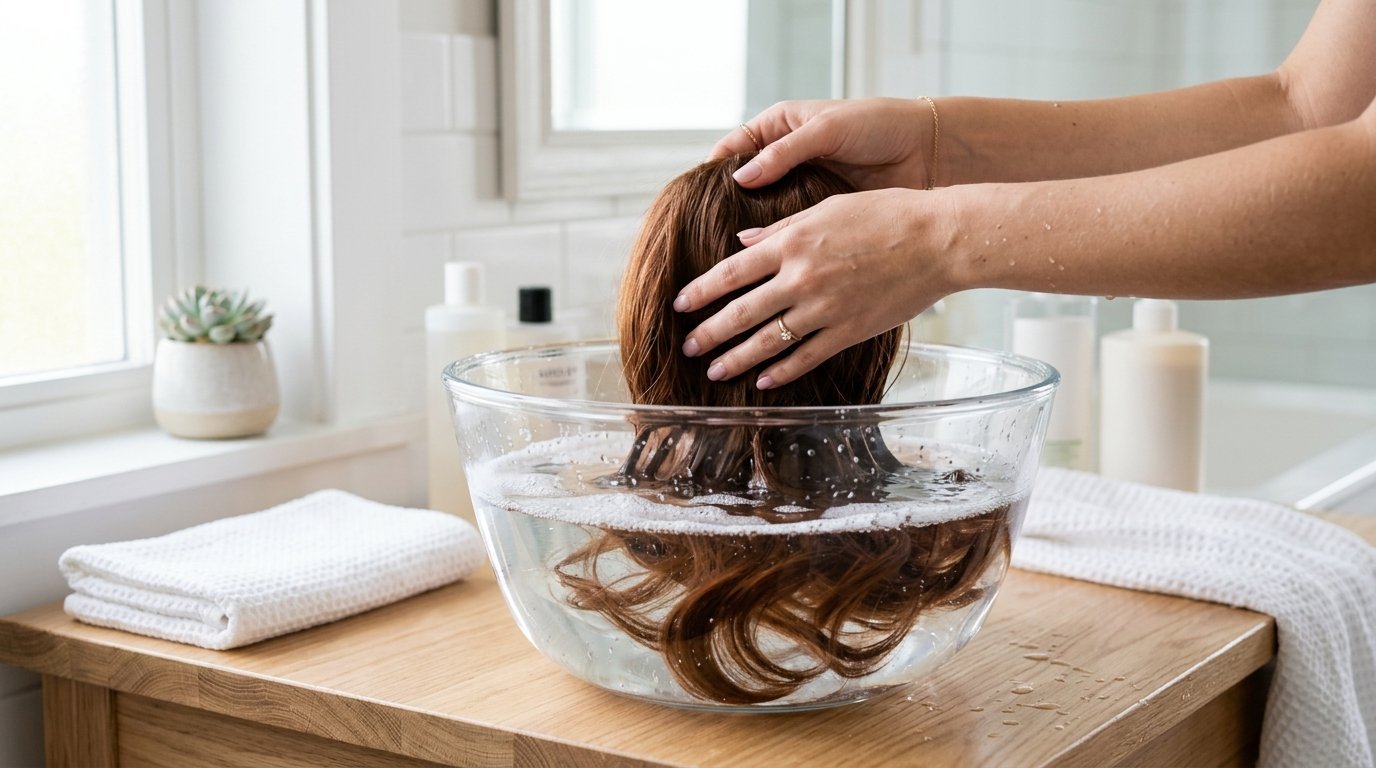
Can you wash a synthetic wig? Yes, absolutely. Synthetic wigs need regular washing just like any hair -- they collect oil from handling, product buildup from sprays and serums, and environmental residue like dust, smoke, and cooking smells that the fiber absorbs and holds. Unwashed synthetic hair gradually looks flat, dull, and slightly tacky. A properly washed synthetic wig, by contrast, resets almost to its original appearance with each wash -- the factory-set style reasserts itself as the fiber dries on a wig stand.
The catch is that washing synthetic hair correctly requires understanding a few key differences from washing natural hair. Get these right and synthetic wig washing is simple and takes under fifteen minutes. Get them wrong -- particularly the water temperature rule -- and you can cause damage that a single wash makes permanent.
Can You Wet Synthetic Hair? The Answer and What It Means
Yes, you can wet synthetic hair -- in fact, wetting is what resets synthetic hair's style. Synthetic fiber holds its shape through polymer memory, and when the fiber gets wet and then dries on a wig stand or with curlers in place, it dries back to approximately its factory style. This is why synthetic wigs are often described as "low maintenance" for style -- the style literally washes back in.
The rule with synthetic hair and water is about temperature, not wetness itself. Cool water is safe. Warm or hot water is not. Synthetic polymer fiber begins to soften and permanently deform at temperatures that are quite low by hair washing standards -- warm tap water can be close to this threshold for some synthetic fibers, and hot water is absolutely above it. A synthetic wig washed in hot water may come out with a distorted texture, fused sections, or a style that has deformed and will not return to its original shape when dried. This damage is irreversible.
Use water that feels cool on your wrist -- noticeably cooler than body temperature -- for every step of synthetic wig washing. This is not uncomfortable to work with; it just requires adjusting the temperature from what feels normal for hair washing.
What You Need Before You Start
- A clean basin or sink (large enough to submerge the wig)
- Synthetic wig shampoo, or baby shampoo as a substitute
- Fabric softener or synthetic wig conditioner for the conditioning step
- A wide-tooth comb
- A light detangling spray (optional but helpful)
- A clean dry towel
- A wig stand for drying
How to Wash a Synthetic Wig: Step by Step
Step 1: Detangle Completely Before Any Water Contact
This step is skipped by most first-time washers and it causes most of the problems that happen during washing. Wet synthetic fiber tangles significantly more easily than dry fiber -- combing through a wet synthetic wig that started tangled creates friction damage and severe knots that are much harder to resolve after the fact.
Apply a small amount of detangling spray to the dry wig and use a wide-tooth comb to work through the hair gently, starting at the ends and working toward the roots in small sections. Do not start at the roots and pull down -- this drags all the tangles toward the ends and makes them worse. Work upward from the tips, freeing small sections at a time until the entire wig combs through smoothly from root to tip.
Step 2: Prepare Your Wash Water
Fill the basin with cool water. Add a small amount of synthetic wig shampoo -- approximately half a teaspoon to a full teaspoon for most wigs. Stir the water to fully dissolve the shampoo before putting the wig in. Adding shampoo directly to the wig concentrates the surfactant in one spot and is harder to rinse out uniformly.
If you do not have synthetic wig shampoo, add the same amount of baby shampoo. This is the best substitute for synthetic fiber -- gentle surfactants, no heavy conditioning agents that would create buildup, and pH that is mild enough for the fiber coating.
Step 3: Wash with Gentle Motion
Lower the detangled wig into the soapy water. Use both hands to gently swirl and move the wig through the water. The water does most of the work -- you are moving clean water through the fiber to carry away residue, not scrubbing the fiber against itself. Avoid any rubbing, squeezing, or twisting motion that creates friction between strands. One to two minutes of gentle swirling is sufficient for a normally maintained wig.
For the cap area -- particularly the front hairline and nape where skin contact leaves oil and residue -- use your fingertips to gently press and release the cap material in the soapy water. This moves the water through the cap material without pulling on the wefts or fiber attachments.
Step 4: Rinse Until Completely Clean
Drain the soapy water and refill the basin with fresh cool water. Submerge the wig and swirl to rinse. Drain and repeat. The wig is fully rinsed when the water remains completely clear after swirling -- no suds, no cloudiness from soap. Most wigs require two to three rinse cycles to reach this point.
Incomplete rinsing is the most common cause of synthetic wigs feeling stiff or looking dull after washing. Shampoo residue left in the fiber attracts dust, makes the fiber slightly sticky, and creates a whitish cast when the hair is dry. If your washed synthetic wig does not look or feel right, insufficient rinsing is the first thing to check.
Step 5: Conditioning Rinse
Synthetic fiber does not absorb conditioner the way natural hair does, but a conditioning rinse reduces the static charge that makes synthetic fiber frizzy and difficult to comb, and it reduces inter-fiber friction that causes tangling during wear. Both are real practical benefits.
The most effective and inexpensive method: add one tablespoon of fabric softener to a basin of cool water. Submerge the freshly rinsed wig and swirl for two minutes. Rinse with one final basin of clean cool water. The result is noticeably softer, less static-prone fiber that is easier to comb once dry. Alternatively, use a dedicated synthetic wig conditioner following its product instructions.
Step 6: Remove Excess Water Without Damage
Lift the wig out of the water and hold it up for a moment to let most of the water drip away. Then gently press the wig between your hands to push out more water -- not squeezing, just pressing. Lay the wig on a clean dry towel and fold the towel over the top, pressing gently from above to absorb more water. Do not rub the wig against the towel; friction is the enemy of synthetic fiber.
Step 7: Dry on a Wig Stand
Place the damp wig on a wig stand and allow to air dry completely. Position the stand in a well-ventilated area away from direct sunlight (which fades synthetic fiber color and degrades the surface coating) and away from any heat source including radiators, heating vents, and the top of electronics that generate heat.
Do not put the wig back on your head, into storage, or in a bag while it is still damp. Wearing a damp synthetic wig causes the style to set in whatever shape it is in on your head rather than the factory style. Storing a damp wig creates odor and can cause mildew at the cap over time.
Allow a minimum of four to six hours for drying, and overnight for dense or longer wigs. The wig is ready when every section -- including the cap area -- is completely dry to the touch.
How Often Should You Wash a Synthetic Wig?
For daily wear: every two to three weeks. For regular but not daily wear: every four to six wears, or whenever the wig feels product-coated, looks dull, or has absorbed odors. Washing more frequently than necessary removes the surface coating that keeps synthetic fiber looking its best, so washing on a schedule regardless of whether the wig needs it is counterproductive.
Between washes, a light mist of wig refresh spray after each wear and a daily gentle finger-detangle extend the time between washes and keep the wig looking fresher through each wear cycle.
Frequently Asked Questions
Can I wash my synthetic wig every day?
No -- and this is one of the less intuitive aspects of synthetic wig care for new wearers coming from natural hair habits. Natural hair benefits from frequent washing because the scalp produces oil continuously that needs removal, and the hair itself can absorb and benefit from the moisture of washing. Synthetic fiber does not have either of these properties. Washing a synthetic wig every day removes the surface coating that gives the fiber its sheen and texture, and the repeated exposure to water (even cool water) and shampoo progressively degrades the fiber faster than the wear of actual use would. Daily wear wigs should be washed every two to three weeks at most. If your wig needs more frequent refreshing, a wig refresh spray between washes -- a light mist of a product designed for between-wash synthetic hair maintenance -- addresses surface static and light environmental exposure without the fiber degradation of frequent washing.
My synthetic wig looks frizzy after washing -- what went wrong?
Post-wash frizz in synthetic wigs comes from a few possible causes, and identifying which applies to your situation determines the fix. The most common cause is skipping or rushing the detangling step before washing -- wet tangled fiber dries frizzy because the strands dried in a distorted position. The solution is to always detangle thoroughly before any water contact. The second most common cause is using warm or hot water, which partially softens the fiber and disrupts its surface coating, producing frizz as it cools and sets in a distorted state. The fix is switching to consistently cool water for every washing step. If neither of these applies, insufficient conditioning (no conditioning rinse, or conditioning rinse not rinsed out properly) leaves the fiber charged with static that reads as frizz after drying. A fabric softener rinse done correctly -- one tablespoon diluted in a full basin of cool water, two minutes of submersion, followed by a full rinse -- resolves static-related frizz effectively. If the frizz is severe and appeared suddenly rather than building up gradually, the most likely cause is either a heat exposure event or a product that was incompatible with synthetic fiber and left residue that is causing the fiber to behave abnormally.
If you are a wig retailer, beauty supply store, or salon owner looking to source synthetic wigs and care accessories at wholesale pricing, contact our team. We supply the full range of synthetic hair styles alongside care products at every volume level.
WhatsApp: +86 17347350405
Email: hello@voretrade.com