How to Take Care of a Wig: Complete Maintenance Guide for Human Hair and Synthetic Wigs
July 31, 2026 · Marcus Vore
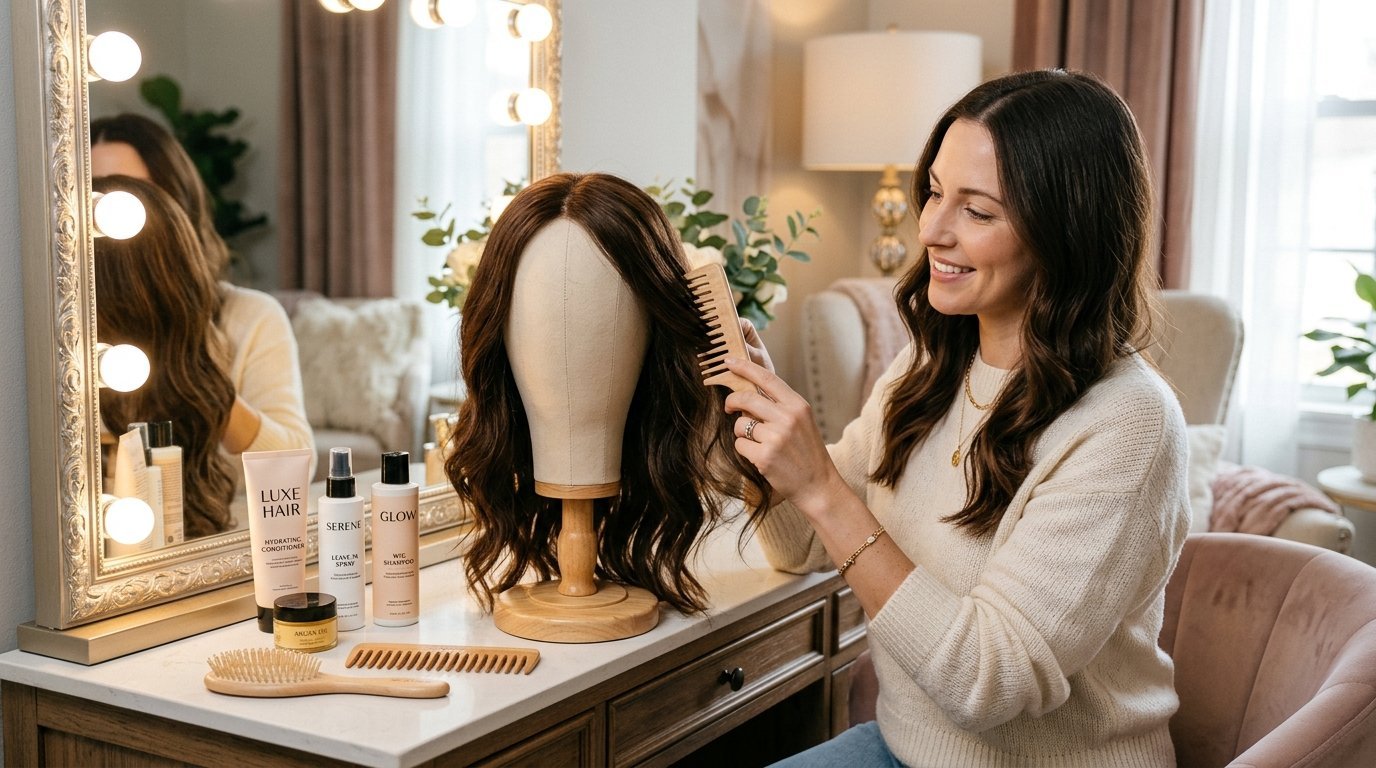
A wig that is well maintained looks better for longer and represents significantly better value over its lifespan than one that is treated casually. This is true whether the wig cost $50 or $500 -- the maintenance habits are the multiplier on whatever quality the wig started with. Excellent care extends a mid-range wig's appearance life beyond what poor care does to an expensive one.
The core of wig maintenance is consistency rather than complexity. The routine is not difficult once it is established, but skipping steps or improvising with unsuitable products compounds over time into the kind of degradation that cannot be reversed. This guide covers the complete picture: daily habits, washing routine, conditioning, styling care, and storage, with the specific differences between human hair wigs and synthetic wigs clearly noted at each step.
Understanding What Your Wig Needs
Before establishing a maintenance routine, it helps to understand what the two main wig types actually need -- because the differences are significant and drive different care decisions throughout the routine.
Human hair wigs are made from biological hair that responds to care products and treatments the same way natural hair does. They need moisture (because the wig receives no natural scalp oil), gentle cleansing that does not strip the hair's protein structure, conditioning that replaces moisture lost through wearing and washing, and careful heat styling that respects the hair's tolerance limits. Human hair wigs respond to the full range of hair care products and benefit from them genuinely.
Synthetic wigs are made from polymer fiber that does not have a cuticle, does not absorb moisture, and does not respond to protein or oil-based conditioning the way natural hair does. They need gentle surface cleansing without stripping the surface coating, friction and static reduction (not moisture), careful handling that avoids the mechanical damage that roughens polymer surfaces, and protection from heat and UV that would degrade the fiber.
Most mistakes in wig maintenance come from applying natural hair care habits to synthetic fiber -- using the wrong conditioner, using too-warm water, trying to add moisture that synthetic fiber cannot absorb. Getting the right approach for the right fiber type is where good wig care starts.
Daily Wig Maintenance Habits
Daily maintenance is about the small, consistent habits that prevent problems from accumulating rather than dramatic interventions after damage has occurred.
Detangle After Every Wear
The most important daily habit for any wig. Small tangles from daily movement and friction are easy to resolve immediately after wearing; the same tangles left until the next wear session compress with storage and become significantly harder to remove. Two to three minutes with a wide-tooth comb after taking the wig off prevents the progressive worsening of tangles that eventually requires real effort to address.
Always detangle from the ends upward -- working out the bottom inch or two of tangles before moving the comb higher prevents tangles from compressing. For both synthetic and human hair wigs, a light mist of detangling spray before combing reduces friction and speeds the process.
Store Correctly After Each Wear
Place the wig on a stand or in a satin bag after each use rather than setting it on a surface where it can be compressed or tangled. The wig stand is the best option because it maintains the style and allows the fiber to hang freely without friction against any surface. For detailed guidance on all storage options, the wig storage guide covers every method in depth.
Between-Wear Refresh for Synthetic Wigs
A light mist of a wig refresh spray or diluted fabric softener spray over a synthetic wig before and after each wear reduces static, refreshes the surface, and keeps the wig looking fresh between washes. This is not necessary for human hair wigs in the same way, but a small amount of leave-in conditioner spray applied to the hair length before wearing a human hair wig maintains moisture through wear.
How to Care for Human Hair Wigs: The Full Routine
Human hair wig maintenance has more steps than synthetic wig care because the biological fiber genuinely benefits from more complex care. The additional steps are not complicated -- they are the same types of care that natural hair needs, adjusted for the wig context.
Washing: Every Two to Three Weeks for Daily Wear
Use a gentle, sulfate-free moisturizing shampoo. Detangle completely before wetting. Wash in a basin of lukewarm water with gentle swirling motion -- not rubbing or scrubbing. Rinse thoroughly. Apply a moisturizing conditioner from mid-lengths to ends, leave three to five minutes, then rinse. Apply a lightweight leave-in conditioner to the damp hair before placing on a wig stand to dry. Allow to air dry completely, or use a diffuser on low heat.
Deep Conditioning: Every Four to Six Washes
Human hair wigs benefit from a deep conditioning treatment every four to six washes to address the progressive moisture loss that washing and wearing causes. A deep conditioner left on for fifteen to thirty minutes (under a plastic cap to create heat that opens the hair shaft for deeper penetration) significantly restores the hair's softness, manageability, and appearance. This is the treatment that keeps human hair wigs looking and feeling like good hair rather than dry, rough fiber over time.
Heat Styling: With a Protectant, at Appropriate Temperatures
Human hair wigs can be heat styled at the same temperatures as natural hair, but because the hair cannot repair itself through natural growth and oil production the way attached hair does, heat damage accumulates without the self-renewal that protects natural hair from permanent heat damage. Apply a heat protectant spray before any heat styling, use the minimum temperature that achieves the style, and avoid high heat settings as a default.
Moisturizing Between Washes
Human hair wigs dry out between washes because there is no scalp producing oil to replenish moisture. For daily wearers, a small amount of lightweight hair oil (argan oil, a light serum) applied to the ends every few days prevents the brittleness and split ends that come from unaddressed moisture loss. Focus on the ends, which are the oldest and driest part of any wig hair.
How to Take Care of a Synthetic Wig: The Full Routine
Synthetic wig maintenance is simpler than human hair care because the fiber needs less -- but the specific rules matter more, because getting them wrong causes damage that cannot be repaired.
Washing: Every Two to Three Weeks for Daily Wear
Use a gentle synthetic wig shampoo or baby shampoo in cool water. Never warm or hot -- cool water only, always. Gentle swirling in the basin, no scrubbing. Rinse completely. Follow with a fabric softener conditioning rinse (one tablespoon per basin of cool water, two minutes, then rinse). Air dry on a wig stand -- never a hair dryer on standard synthetic fiber.
No Heat, No Chemical Treatments
Standard synthetic fiber cannot be heat styled and cannot be chemically processed. The wig's color and texture are permanent from manufacture. Heat-resistant synthetic wigs can be styled within their temperature limit (typically 150 to 180°C maximum), but still cannot be colored or chemically treated.
Anti-Frizz and Refresh Sprays
A light anti-frizz spray designed for synthetic hair, applied after each wear, maintains the fiber's smooth surface and reduces the static and frizz that accumulates during wear. This is the primary between-wash maintenance product for synthetic wigs.
The Wig Maintenance Schedule: A Practical Reference
After every wear: Detangle from ends upward. Apply refresh spray (synthetic) or light leave-in (human hair). Store on stand or in satin bag.
Every two to three weeks (daily wear) or every six wears (occasional wear): Full wash cycle with appropriate shampoo and conditioning rinse. Air dry completely on wig stand.
Every four to six washes (human hair wigs only): Deep conditioning treatment.
As needed: Trim split ends on human hair wigs. Address tangling promptly before it worsens. Check cap hardware (combs, adjusters) for secure attachment.
Frequently Asked Questions
How long does a human hair wig last with proper care?
A quality human hair wig maintained correctly -- washed with appropriate products, deep conditioned regularly, stored properly, heat styled with a protectant at appropriate temperatures, and handled carefully -- typically lasts one to three years of regular daily wear before the hair shows significant degradation. Some very high-quality virgin human hair wigs, maintained with exceptional care, last longer than this. The factors that most dramatically shorten human hair wig life are heat damage (using too-high temperatures without heat protectant), aggressive detangling (pulling through tangles from root to end rather than working from the ends upward), washing with harsh sulfate shampoos, and poor storage. Conversely, the wearers who get the longest lifespan from human hair wigs are those who rotate between two or more wigs (reducing the total wear hours per individual wig), deep condition consistently, and treat the wig with the same care they would give expensive color-treated natural hair.
Can I sleep in my wig, and if so, how do I maintain it?
You can, though it significantly increases the maintenance required and shortens the wig's lifespan. Sleeping in a wig creates hours of sustained friction against pillow fabric that causes tangling, static, and progressive frizz -- particularly at the nape and sides where hair contacts the pillow most. If sleeping in the wig is necessary, these practices reduce (though cannot eliminate) the damage: use a satin or silk pillowcase, which has lower friction than cotton; put the hair in a loose, low braid or ponytail before sleep to contain it and reduce friction spread; and plan for a detangling session each morning as part of the routine. For human hair wigs, nightly application of a small amount of hair oil to the ends before braiding for sleep helps prevent the dryness that friction and overnight air exposure cause. For synthetic wigs specifically, a very light mist of anti-static spray before the braid significantly reduces the static-based frizz that sleeping in a synthetic wig causes. Even with all precautions, sleeping in a wig nightly will produce a wig that needs replacement sooner than one that is removed for sleep -- but if circumstances require it, the right habits minimize the impact.
If you are a wig retailer or beauty business sourcing human hair and synthetic wigs along with complete care product ranges at wholesale pricing, contact our team. We supply quality wig inventory and accessories for businesses at every scale.
WhatsApp: +86 17347350405
Email: hello@voretrade.com