How Long Do Synthetic Wigs Last? A Realistic Lifespan Guide by Quality, Wear Frequency, and Care
July 30, 2026 · Marcus Vore
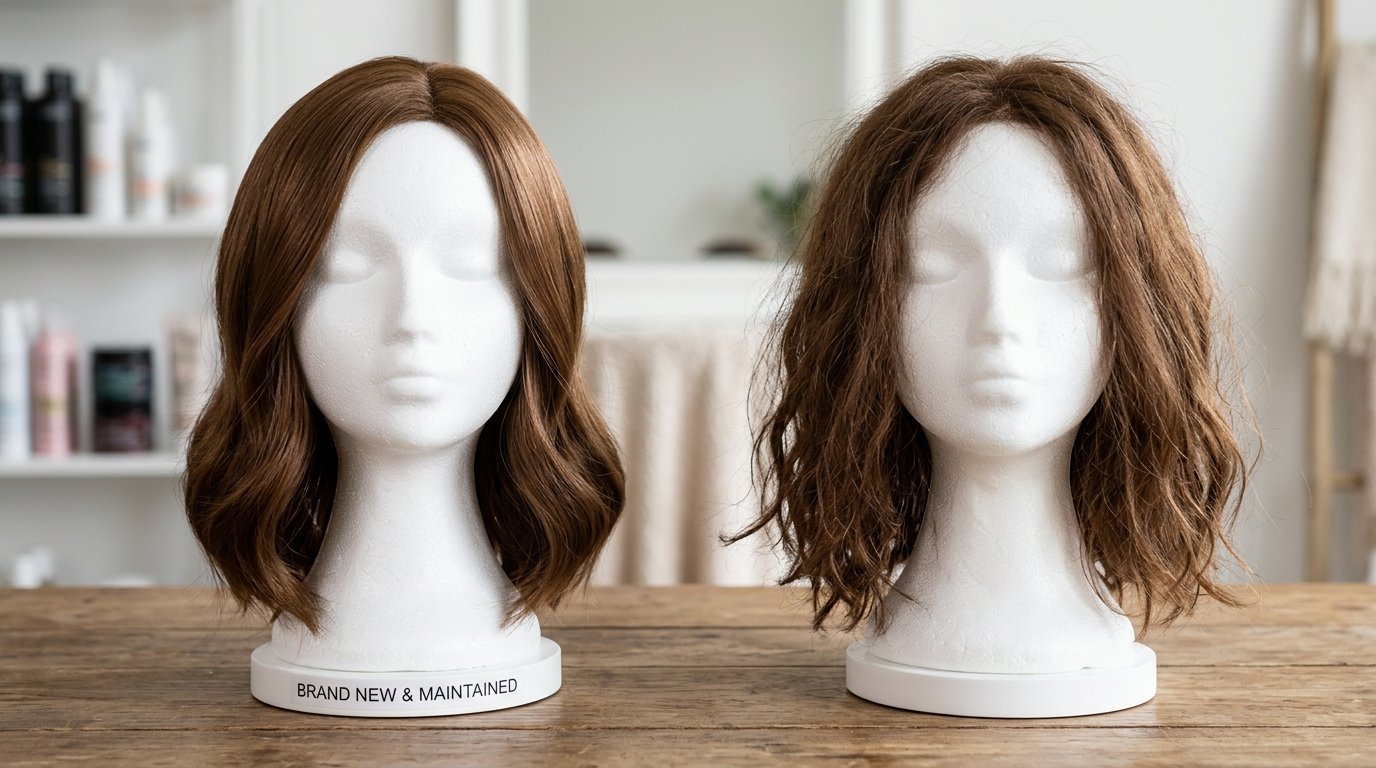
How long a synthetic wig lasts is the most practically important question in the synthetic wig buying decision -- and it is the one that gets the least specific answer in most places. "Several months" is not a useful answer when you are trying to budget for your year. The real lifespan of a synthetic wig depends on three variables that interact with each other: the quality of the fiber and cap construction, how frequently you wear it, and how you care for it between wears and through washing. Get all three right and a quality synthetic wig can last eighteen months or more. Get them wrong and even a decent wig can look worn out within two months.
This guide gives you specific, realistic numbers for each scenario so you can make an informed purchase and set accurate expectations from the start.
How Long Does a Synthetic Wig Last? The Direct Answer by Quality Tier
The most useful starting point is the quality tier of the wig itself, because fiber quality determines the ceiling of possible lifespan regardless of care.
Budget synthetic wigs ($15 to $60): With daily wear and typical care, two to four months before significant visible degradation -- tangling that cannot be resolved by detangling, surface frizz that washing does not reset, visible flatness or loss of style definition. With occasional wear (a few times per month), this extends to six to nine months before comparable degradation. Budget fiber was not designed for durability and does not have the surface coating quality or fiber consistency to resist wear beyond this range regardless of care.
Mid-range synthetic wigs ($60 to $150): With daily wear and good care, five to eight months of full quality wear before noticeable degradation begins. With regular but not daily wear (three to four times per week), eight to twelve months. With occasional wear and careful storage, twelve to eighteen months before the wig visibly shows its age. Mid-range fiber has meaningfully better quality than budget options and responds better to care -- the gap between well-maintained and poorly-maintained mid-range synthetic wigs is wider than for budget wigs because the fiber has more to preserve.
High-quality synthetic wigs ($150 to $300+): With daily wear and correct care, ten to fourteen months before significant degradation. With regular but not daily wear, fourteen to twenty-four months. The best synthetic fiber available -- the kind used in premium medical wig programs -- can maintain its appearance through two or more years of careful regular wear. This is where the investment in quality synthetic hair provides its most tangible return: not just a better-looking wig, but one that provides more value over time even accounting for its higher upfront cost.
How Wear Frequency Affects Synthetic Wig Lifespan
Frequency is the multiplier on the quality-tier numbers above. Every hour of wear creates some mechanical stress on the fiber through movement, friction with clothing and pillows, exposure to environmental factors (UV, humidity, pollution), and handling during putting on and taking off. The more hours of wear a wig accumulates, the faster this mechanical stress accumulates into visible degradation.
Daily wear is the most demanding scenario. A wig worn eight or more hours every day accumulates approximately 2,400 to 2,920 hours of wear in a year. At this pace, even a high-quality synthetic wig is working hard to maintain its appearance, and the fourteen-month lifespan at this frequency is a realistic ceiling rather than a guaranteed outcome.
Rotating between multiple wigs -- having two or three synthetic wigs and alternating between them -- effectively divides the wear hours among them and extends each individual wig's useful life significantly. A person who wears two wigs alternately on a daily schedule gives each wig roughly half the wear hours per month, extending each wig's lifespan toward the "regular but not daily" tier rather than the "daily" tier. This is why experienced wig wearers with daily wear needs often maintain a rotation of two or three wigs rather than relying on a single piece.
The Biggest Factors That Shorten Synthetic Wig Life
Understanding what degrades synthetic fiber faster than normal wear helps you avoid the mistakes that cut wig lifespan dramatically.
Heat above the fiber's tolerance. A single incident of heat tool damage can destroy a section of synthetic fiber in seconds. Even if the damage is not immediately catastrophic, repeated low-level heat exposure above the safe range (using a styling tool that is slightly too hot, or a hair dryer too close) gradually degrades the fiber surface and accelerates tangling and frizz. For standard synthetic wigs, avoiding heat tools entirely is essential. For heat-resistant wigs, staying within the stated temperature limit is equally important.
Aggressive brushing or combing. Synthetic fiber has more surface friction between strands than biological hair with a smooth cuticle. Aggressive brushing -- particularly on dry fiber, particularly from the root downward -- creates mechanical friction that roughens the fiber surface, generates static, and initiates the tangling cycle that progressively worsens with each rough combing session. Always detangle synthetic wigs starting from the ends and working upward, with a wide-tooth comb, after applying a detangling spray.
Incorrect washing. Washing too frequently removes the surface coating that gives synthetic fiber its appearance quality. Washing with too-warm water (above lukewarm) can partially soften and distort the fiber. Using the wrong products -- regular shampoo or conditioner with heavy silicones -- creates buildup that progressively dulls the fiber. Incorrect drying (wringing, rough toweling, or heat drying with a conventional dryer on high) creates mechanical damage and can partially distort the style. Each incorrect washing practice chips away at the wig's lifespan.
Poor storage. A synthetic wig stored carelessly -- stuffed in a bag, left on a surface where it can be sat on or compressed, or left in direct sunlight -- accumulates damage between wears that was entirely avoidable. UV exposure from sunlight fades synthetic color and degrades the fiber surface. Compression distorts the style and cap shape. Storage on a wig stand or in a breathable bag, away from light and heat, is the minimum investment in preserving the wig between wears.
How Long Does Synthetic Weave Last?
Synthetic weave installed in a sew-in or braided style operates on a slightly different timeline from a wig because the wear conditions are different. Installed synthetic weave is protected from some mechanical damage by the installation itself -- it is not handled as much as a removable wig, it is not put on and taken off daily, and it does not experience the same kind of storage conditions. On the other hand, it is exposed to more frequent washing (scalp hygiene for an installed style requires more regular washing than a removable wig), more friction from daily movement, and more exposure to styling products.
A quality synthetic weave install typically looks its best for the first four to six weeks. Between six and ten weeks, the fiber begins to show wear -- tips may frizz, the installed texture may relax slightly, and the overall freshness of the install decreases. Beyond ten to twelve weeks, most synthetic weave installs have degraded sufficiently that removal and reinstalling with new hair is the appropriate next step.
This is somewhat shorter than the comparable lifespan of the same quality synthetic fiber in a wig -- primarily because the washing frequency requirements for installed styles are higher and the mechanical exposure during wear is more continuous. Planning a synthetic weave install around a six to eight week replacement cycle is a realistic approach that keeps the style looking good throughout the wear period.
Signs Your Synthetic Wig Has Reached the End of Its Useful Life
Knowing when a synthetic wig is genuinely at the end of its life (rather than just needing maintenance) helps you decide when replacement is the right choice rather than continuing to maintain a piece that will not significantly recover:
- Persistent matting at the nape or ends that does not resolve with washing and conditioning
- Fiber that has lost its surface coating and feels rough or slightly tacky
- Frizz across the surface that reappears immediately after washing
- The cap has stretched or distorted and no longer fits or sits correctly
- The wig no longer returns to anything close to its original appearance after washing
At this point, continued maintenance effort is diminishing returns. The fiber has reached its degradation endpoint and will not meaningfully recover. Replacing the wig and applying the care lessons from the previous piece to the new one is the better use of time and product.
Frequently Asked Questions
Does wearing a synthetic wig to sleep shorten its lifespan significantly?
Yes, substantially. Sleeping in a synthetic wig creates several hours of friction against a pillow surface every night -- one of the most damaging conditions for synthetic fiber. The sustained friction roughens the fiber surface, causes tangling particularly at the nape and sides, and compresses the style in ways that are difficult to fully restore each morning. A person sleeping in their wig every night adds the equivalent of an additional four to eight hours of high-friction mechanical stress to every day's wear. This can cut a wig's practical lifespan roughly in half compared to the same wig removed at bedtime. If sleeping in a wig is necessary (for comfort, medical, or practical reasons), using a satin or silk pillowcase significantly reduces friction compared to cotton, and a loose braid or low ponytail secured before sleep reduces the tangling at the nape. Even with these precautions, sleeping-in wear degrades synthetic fiber faster than daytime wear alone.
Can I extend the life of a synthetic wig that is starting to look worn?
To a degree, yes. If the wig is in the early degradation stage -- beginning to frizz at the surface, losing some sheen, feeling slightly rougher than when new -- a thorough wash with a gentle synthetic shampoo, followed by a fabric softener conditioning rinse and careful air drying on a stand, can restore a significant portion of the wig's original appearance. Anti-frizz spray and a light application of a synthetic hair shine product after washing and drying can further refresh the surface. This maintenance reset is most effective when done at the first signs of wear rather than after the fiber has fully degraded -- once synthetic fiber has reached the matted or severely frizzy stage, these treatments provide only marginal improvement. Think of it as maintenance that extends the useful period before replacement, not a restoration of a fully worn-out piece. The most effective lifespan extension strategy is consistent, correct care from day one rather than heroic recovery attempts later.
If you are a wig retailer or beauty supplier sourcing synthetic wigs at wholesale -- across quality tiers from budget to premium, in a range of styles and fiber types -- contact our team. We help businesses stock synthetic wig inventory appropriate for their customer base and price points.
WhatsApp: +86 17347350405
Email: hello@voretrade.com