High Fashion Wigs: What They Are, How the Industry Uses Them, and How to Find One That Actually Delivers
July 5, 2026 · Marcus Vore
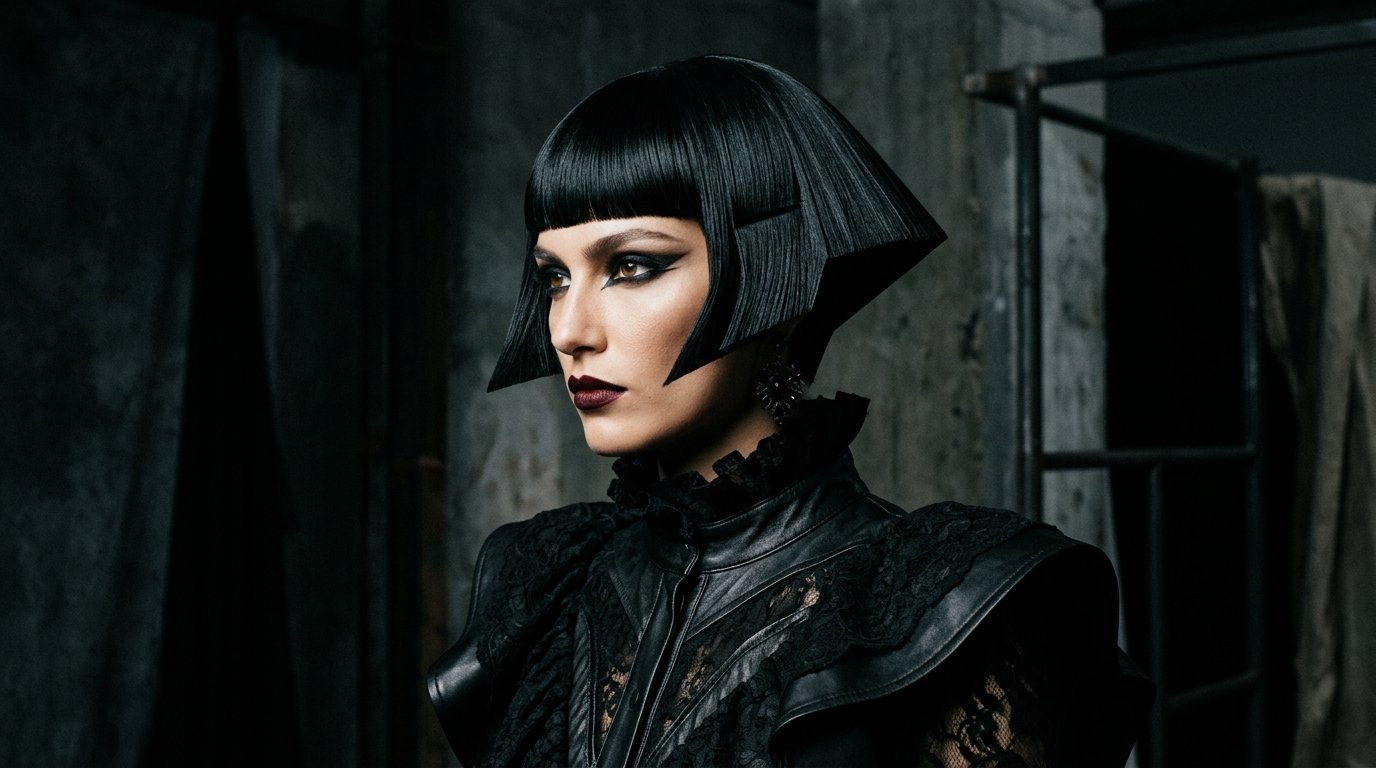
There is a version of the wig world that most wig guides never touch. It exists at the overlap between hair and fashion -- where wigs are not about coverage or convenience but about transformation, character, and statement. Where a wig is not chosen because it looks natural but because it does something natural hair cannot. Where the hair is part of the look the same way a coat or a shoe is part of the look.
High fashion wigs occupy this space. They are defined not by price alone -- though they are typically not cheap -- but by intent. A hi fashion wig is designed with a specific aesthetic in mind, executed with the craft to realize that aesthetic, and worn by someone who is using hair as a deliberate tool of visual expression. Understanding this category changes how you think about wigs entirely.
What Makes a Wig "High Fashion"
The term gets used loosely. Any wig with a slightly interesting cut or a slightly unusual color gets called high fashion somewhere in its marketing. The actual category is more specific than that.
A genuine high fashion wig has three things that cheaper or more generic wigs do not:
Deliberate design. The shape, texture, cut, and color of a hi fashion wig are not selected from a default template or a distributor's stock list. They are developed with a specific visual outcome in mind. An architectural blunt bob is cut to specific angles. A color-gradient piece is engineered so the color transitions work from every angle, not just from the front. A dramatically textured style is constructed so the texture reads consistently through movement, not just in a static display pose. This level of design intentionality takes time and cost to execute, and it shows in the finished product.
Construction quality that matches the design ambition. A high fashion wig that looks extraordinary in person and collapses in photographs -- or looks great the first time it is worn and loses its shape after a wash -- is not actually a high fashion wig. It is a prop. Real hi fashion wigs in the editorial and runway sense hold their design integrity through use, because the construction supports what the design is trying to achieve. Full hand-tied caps, precision-cut fiber, density engineering that makes the style read correctly -- these are the technical underpinnings of the visual effect.
A point of view that goes beyond "looks like real hair." The premium segment of the everyday wig market is organized around one central aspiration: looking natural. High fashion wigs often have the opposite goal -- looking intentional, extraordinary, or transformative in a way that natural hair alone cannot achieve. The benchmark is not "could this be someone's bio hair?" but "does this create the visual effect it was designed to create?" That is a fundamentally different evaluation criterion, and it produces a very different category of product.
How the Fashion Industry Actually Uses Wigs
Understanding how high fashion wigs function in their original context -- the runway, the editorial shoot, the red carpet -- clarifies what the product category is designed to do and how to think about it as a consumer.
Runway and Editorial
Fashion weeks in Paris, Milan, New York, and London have featured wig work as central to the collection's visual narrative for decades. Certain designers are known for using hair -- and wigs specifically -- as a primary tool of storytelling alongside clothing. Alexander McQueen's shows regularly featured hair that was structurally impossible for bio hair to achieve. Vivienne Westwood has used dramatic wig constructions to reinforce the historical and theatrical references in her work. Rick Owens' editorial lookbooks have used shaved, sculpted, and architecturally extreme hair in ways that could only be achieved with hairpieces.
In the editorial photography context, hi fashion wigs serve the same function: creating a visual world that the clothing and styling is part of. The hair is not background -- it is a design element. Editorial wig work at this level is typically done by specialized wig makers who work in collaboration with fashion directors and photographers, building specific pieces for specific images rather than pulling from ready-made stock.
Red Carpet and Celebrity
The red carpet has been one of the most visible contexts for high fashion wig use in recent years, as major artists and performers have been entirely open about wearing wigs as a deliberate fashion choice rather than concealing it. Beyonce, Nicki Minaj, Lady Gaga, and Cardi B -- among many others -- have used wigs as part of their public visual identity in ways that treat the hairpiece as a fashion accessory on par with the outfit.
This visibility has shifted the cultural status of high fashion wigs significantly. For most of the 20th century, celebrity wig use was something to be hidden. In the current moment, it is something to be celebrated -- a demonstration of creative control over one's visual presentation that many performers and public figures embrace explicitly. That shift has driven real innovation in the category, because demand from celebrities and their stylists for wigs that are both fashion-forward and practical for real-world use (not just a single photo) has pushed makers to solve construction challenges that purely editorial work does not require.
Drag and Performance
Drag has been a central creative driver of hi fashion wig innovation for longer than most fashion histories acknowledge. The specific demands of drag performance -- wigs that must withstand movement, sweat, stage lighting, and extended wear while maintaining extreme visual drama -- pushed wig construction and styling into territory that mainstream fashion wig makers have only recently caught up with. The towering architectural styles, the precise fantasy-color work, and the structural experimentation that define the most visually extreme high fashion wigs all have deep roots in drag wig culture.
Many of the most skilled wig makers working in fashion today trained in or have significant influence from performance and drag wig traditions. The technical requirements are different but the aesthetic ambition overlaps substantially.
High Fashion Wigs for the Non-Industry Consumer
Most people searching for high fashion wigs are not planning a runway appearance or a magazine editorial. They want a wig that has the same design quality and visual impact as the category implies -- something that looks genuinely extraordinary rather than merely nice. What does finding that look like as a regular consumer?
The clearest path to a genuine hi fashion wig as a consumer is through wig makers and stylists who work at the intersection of professional and personal client work. Many of the wig makers who serve fashion and entertainment industries accept private commissions -- clients who want a piece built to the same standard as their professional work. These commissions are expensive (typically $800 to $3,000+ depending on complexity and construction) but they deliver the quality and specificity that the category implies.
Below that tier, several established wig brands have specific lines that are designed with fashion rather than naturalism as the primary goal -- dramatically cut silhouettes, deliberate color stories, constructions that create visual effects rather than mimicking everyday hair. These sit at the premium end of the ready-to-wear wig market ($200 to $600+) and represent a meaningful step up in design intention from the standard catalog offerings. Finding them requires looking beyond the mainstream wig retail market and into the specialty retailers who curate this type of product.
Social media has been genuinely useful here. The wig stylists and makers doing the most interesting fashion-forward work post it on Instagram, TikTok, and YouTube. Following the people creating the work you respond to leads you toward both the product and the expertise that produces it.
What to Look for When Buying High Fashion Wigs
The evaluation criteria shift in this category. You are not primarily assessing naturalness or longevity -- you are assessing design quality and execution.
Does the silhouette hold its shape? A dramatically architectural wig that loses its lines after an hour of wear is failing at its primary job. Construction that supports the design is more important than any single quality specification.
Is the color work designed or defaulted? Fashion wigs with deliberate color -- balayage that reads correctly at every angle, color blocking that creates the intended visual effect at all distances, gradient work that transitions smoothly -- demonstrate design investment. Color that was applied as an afterthought shows the same way.
Does the fiber behave the way the design requires? Some fashion looks require fiber with specific movement properties -- soft and fluid for draped styles, dense and structural for architectural ones. The right fiber for a fashion wig is the fiber that supports the specific design, not the highest-grade fiber in general.
Frequently Asked Questions
What is the difference between a high fashion wig and a regular premium wig?
The clearest way to put it: a premium wig is measured against how well it mimics natural hair. A high fashion wig is measured against how well it realizes a specific design vision. Both can be expensive and both can be high quality, but the quality criteria are different. A premium everyday wig that looks completely natural might be completely wrong for a high fashion context -- because the goal in high fashion is not natural but intentional. Conversely, a hi fashion wig that creates a dramatic visual effect through deliberate styling and construction might look obviously "done" in a way that would be wrong for everyday wear but exactly right for an editorial or an event. You are essentially choosing between two different definitions of success when you choose between these categories.
Can high fashion wigs be worn as everyday pieces, or are they only for special occasions?
It depends entirely on the specific piece and the specific person. The most dramatically architectural or conceptual high fashion wigs are genuinely event or shoot pieces -- they require styling to maintain, they attract significant attention, and wearing them on an average Tuesday to a grocery store is a specific kind of choice. But many high fashion wigs sit in a less extreme zone: a precision-cut blunt bob in a bold color, a sleek sculptural updo style, a dramatically long and perfectly straight piece that reads as fashion without being unwearable in daily life. For anyone whose personal style already runs toward the bold and deliberate, a hi fashion wig can absolutely be a daily driver. The "special occasion only" limitation is about the extremity of the design more than the category itself. Know what you are buying and whether it fits your actual life -- not just how you imagine looking in it.
If you are a fashion retailer, styling studio, or editorial production looking to source high fashion wigs -- including dramatic silhouettes, editorial color options, and construction designed for visual impact -- reach out to our sourcing team. We work with clients who need inventory that goes beyond the standard wig market offering.
WhatsApp: +86 17347350405
Email: hello@voretrade.com