Color by Mahogany Wigs: What the Brand Is About and What Makes Color-Forward Wig Companies Worth Paying Attention To
July 4, 2026 · Marcus Vore
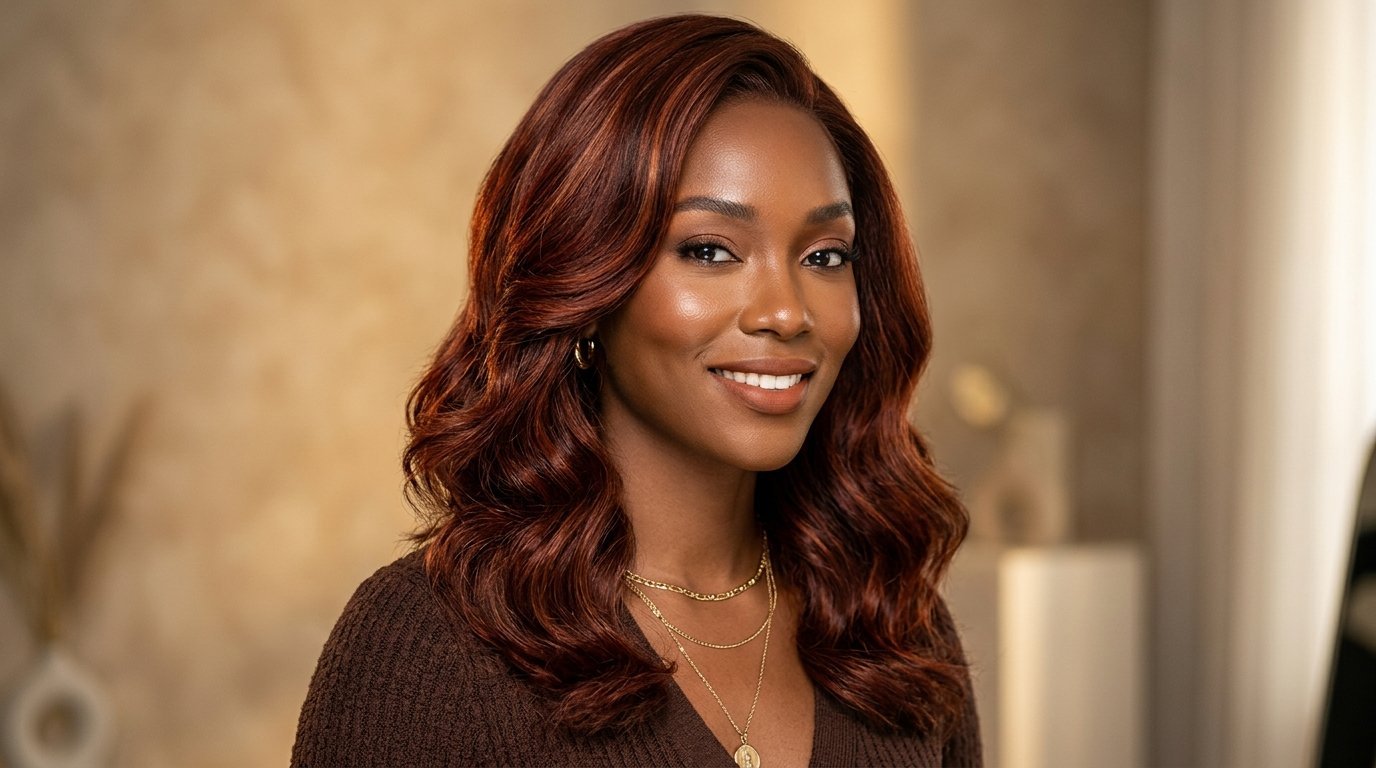
Most wig companies treat color as a product specification -- a dropdown on the listing page, a number code that corresponds to a shade, a characteristic that gets described in two words and photographed under controlled lighting. Color by Mahogany treats it differently. The brand's entire identity is built around the idea that hair color -- specifically the rich, warm, multi-tonal colors that show up beautifully on deeper skin tones -- deserves to be the centerpiece of the wig rather than a footnote.
That is a specific point of view, and it shapes everything about how the Color by Mahogany wig company approaches its product: which shades it develops, how those shades are rendered in the fiber, and who the wigs are designed for. Understanding that point of view makes the brand easier to evaluate -- and makes the question of whether it is right for you much easier to answer.
What "Color by Mahogany" Actually Means as a Brand Identity
Mahogany as a color reference is deliberate. The mahogany palette -- rich reddish-browns, deep burgundies, warm chestnuts, amber-tinged dark shades -- sits in a range that is notoriously underserved in mainstream wig retail. The mass wig market optimizes for the most popular shades by volume: jet black, natural black, a few standard browns, a few blondes. Mahogany-range colors exist across most major wig lines, but they are rarely the focus of the product development process. They are options rather than featured offerings.
A brand built explicitly around this color family is making a statement about who its customer is. These are shades that complement deeper and medium-deep skin tones in ways that the default wig market palette often does not. A rich mahogany with red undertones looks warm and luminous on brown skin. A deep burgundy-tinged brown can read as bold or as almost-natural depending on how it is worn. The Color by Mahogany wig company has built its product around the idea that this range deserves the same product development attention -- the same density engineering, the same construction quality, the same color depth -- that the mainstream market reserves for more generic offerings.
Color Execution: What to Look For in Wigs That Lead With Color
Evaluating any color-forward wig brand -- including Color by Mahogany wigs -- requires understanding what good color execution in a wig actually looks like. This is worth knowing whether you are looking at this specific brand or at any wig where the color is the primary reason you are buying.
Dimensional vs. Flat Color
The difference between a wig that looks like it has real hair color and one that looks like a dyed synthetic is almost always a question of dimension. Real hair does not read as a single uniform shade -- it has variation between strands, slight differences in how light reflects at different angles, and natural transitions from root to tip that create depth. Good wig color replicates this. Bad wig color applies a single flat shade uniformly, which reads as obviously artificial even when the shade itself is correct.
Color by Mahogany wigs, and quality color-forward brands generally, typically achieve dimension through a combination of techniques: multi-tonal dyeing that introduces subtle variation within the same color family, root shading that creates a realistic transition from a slightly darker base, and highlight or lowlight strands that catch light differently and create the visual texture of real hair. When you evaluate listing photos or buyer photos for any wig in this category, look for this dimension -- does the color look like it has depth, or does it look uniform and flat?
Color Consistency Under Different Lighting
Mahogany-family colors are particularly sensitive to lighting conditions. A rich reddish-brown can look dramatically different under warm incandescent indoor light (where it reads redder and more vivid) versus cool daylight (where it reads darker and more muted) versus fluorescent light (where it can look slightly purplish or ashy). This is not a flaw -- real mahogany-toned hair does the same thing -- but it is something to know going in so the color shift does not read as a product disappointment.
The most useful photos to evaluate for Color by Mahogany wigs and similar color-focused products are buyer photos taken in natural daylight. These give you the most neutral, unmanipulated read on what the color actually looks like in the real world. Studio lighting used in brand photography -- particularly warm-toned studio light -- tends to make mahogany-family colors look more vivid and saturated than they will appear in everyday conditions. Neither representation is wrong, but knowing the difference helps set accurate expectations.
Color Longevity in Synthetic vs. Human Hair
Color vibrancy holds differently in synthetic and human hair fiber. Human hair that has been colored to achieve a mahogany shade can fade over time, particularly with frequent washing or sun exposure -- the same way any colored human hair does. Synthetic fiber in a vivid color is more consistent in maintaining that color over the wig's lifespan, but is susceptible to dullness and a slightly flat appearance over time as the fiber itself degrades.
For Color by Mahogany wigs or any color-forward wig in this palette, knowing which construction you are buying -- and what the maintenance implications are -- is important for understanding what you will get over a six-month or year-long period of wear. A synthetic mahogany wig that arrives looking rich and vivid may look somewhat duller six months later through normal wear and washing. A human hair mahogany wig may shift slightly in shade over the same period if it is washed frequently without color-protecting products.
Who Color by Mahogany Wigs Are Built For
The clearest way to understand whether a specific brand is right for you is to understand who it was designed for. Color by Mahogany as a brand concept is built around customers who:
Have deeper or medium-deep skin tones and find that the standard wig color palette -- dominated by neutral browns, blacks, and cool blondes -- does not always produce the warm, luminous effect they are looking for. Mahogany-family colors interact with deeper skin tones in a specific and often flattering way that cooler neutrals do not.
Want color to be a statement, not just a product feature. There is a difference between buying a wig that happens to be brown and buying a wig specifically because the color is the point. Customers of color-forward brands are in the latter camp -- they are shopping for a specific color effect and want a brand that has thought seriously about how to achieve it.
Are tired of color that looks good in listing photos and disappoints in real life. This is a widespread frustration in the wig market and it is particularly acute in the mahogany and burgundy color range, where the gap between vivid studio photography and real-world performance is often significant. Brands that have built their identity around color accuracy have more at stake when their product color does not deliver -- and that accountability tends to produce better color execution.
How to Evaluate Color by Mahogany Wigs Before Buying
As with any wig purchase, the evaluation process before buying matters more than most shoppers realize. For Color by Mahogany wigs specifically:
Look at buyer photos before listing photos. The Color by Mahogany wig company's listing photography will show the color at its most vivid and most flattering. That is the ceiling. Buyer photos show you the floor -- the realistic baseline of what the color looks like on a real person under real conditions. You want both the ceiling and the floor to be acceptable before buying.
Check for reviews that mention color accuracy specifically. "The color looks exactly like the photo" is worth more than "great quality." "Color was more burgundy than brown in real life" or "lighter than expected in sunlight" are the kinds of specifics that help you calibrate your expectations.
Consider how the color will work with your specific skin tone and undertones. Mahogany shades span a range from more red-warm (which pulls warm on medium skin tones and can be intense on cool-toned complexions) to more brown-warm (which reads more like a natural brunette and works across a wider range of complexions). Identifying where on that spectrum a specific Color by Mahogany wig sits helps you predict how it will look on you specifically rather than on the model in the listing.
Frequently Asked Questions
Are Color by Mahogany wigs available in synthetic and human hair?
Color-forward wig brands like Color by Mahogany typically offer options across both synthetic and human hair constructions, with the color work applied differently to each. Synthetic Color by Mahogany wigs tend to be more color-consistent -- the factory color is built into the fiber and does not shift as much with washing or time -- while human hair versions allow for more flexibility in terms of restyling, additional color treatments, and a more natural movement and texture. If color accuracy and longevity are your primary concerns, a high-quality synthetic offers more predictability. If you want the realistic movement of human hair and the ability to further customize the color over time, human hair is worth the additional investment. Check the brand's current offerings directly to see which constructions are available in specific color options, as not every shade is always available in both fiber types.
How do mahogany-toned wigs look on different skin tones?
The mahogany color family -- reddish-browns, deep burgundy-tinted shades, warm chestnuts -- is most flattering on medium, medium-deep, and deep skin tones, where the warmth of the color complements rather than washes out the complexion. On very fair skin with cool undertones, a true mahogany can feel high-contrast and intense; a lighter, more golden-brown variation of the shade may work better in that context. On medium-warm skin tones, mahogany reads as rich and luminous -- it warms up the face and gives the look a layered depth that cooler neutrals do not achieve. On deeper skin tones, deep burgundy-mahogany shades produce a particularly striking effect under light, showing their full color range in ways that darker neutral shades simply cannot. The specific wig shade matters too -- more red-forward mahoganies read differently than more brown-forward versions -- so looking at buyer photos on a range of skin tones is the most reliable way to judge how a specific Color by Mahogany wig will work for you personally.
If you are a wig retailer interested in stocking color-forward wigs -- including mahogany-family shades and other warm, multi-tonal options that serve customers who want color to be central to the product -- contact our sourcing team. We help wig businesses source distinctive inventory that stands apart from the generic color options most distributors carry.
WhatsApp: +86 17347350405
Email: hello@voretrade.com