Best Synthetic Weave Hair: How to Choose Quality Synthetic Weave That Actually Looks Good
August 11, 2026 · Marcus Vore
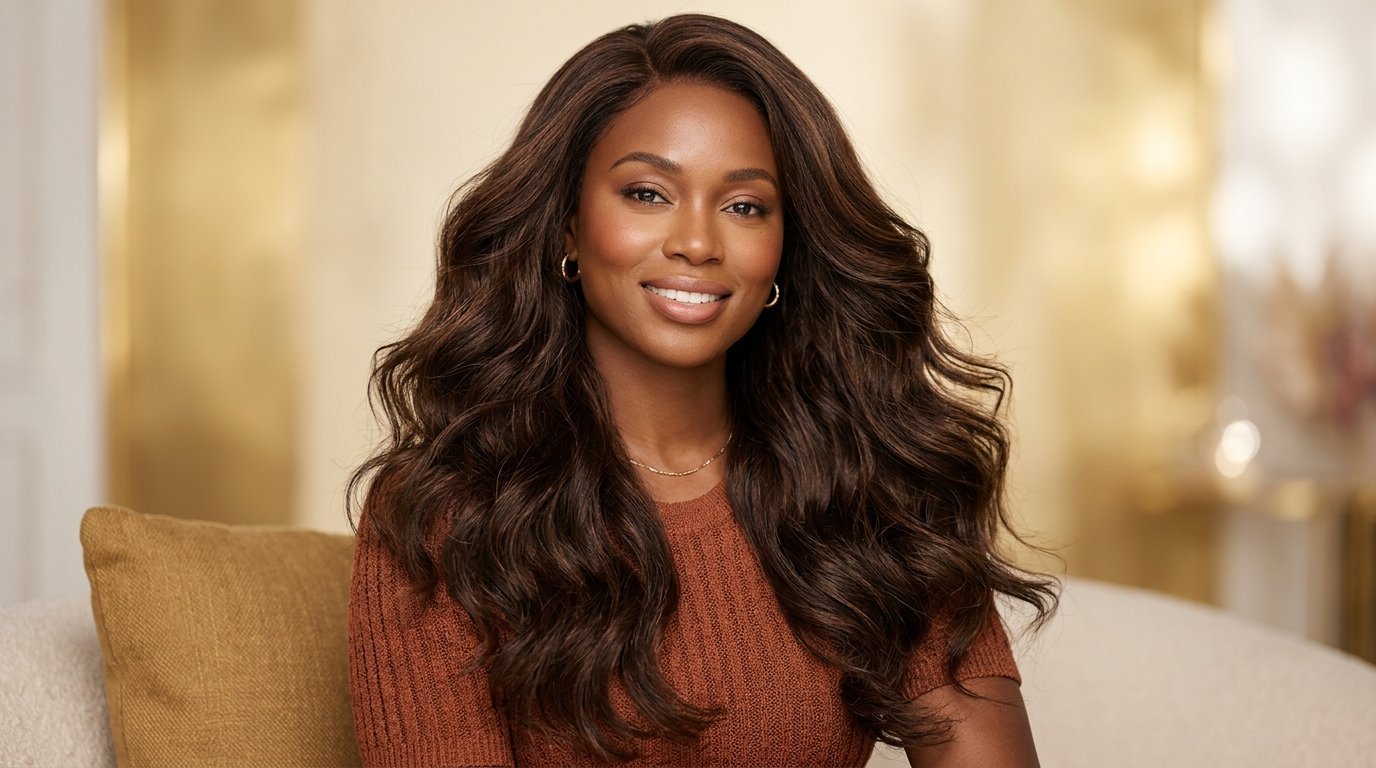
Synthetic weave hair has earned a complicated reputation. At its worst, it is the hair that looks plasticky in photos, frizzes after two weeks, and creates an obvious line between installed weave and natural leave-out. At its best, it is genuinely difficult to distinguish from a high-quality human hair weave at the price point of a fraction of the cost. The distance between those two experiences is not always about spending more money. It is mostly about knowing what to look for.
This guide focuses on what actually separates best synthetic weave hair from mediocre options -- the fiber properties, texture specifications, brand characteristics, and evaluation methods that most buyers do not know to look for until they have already had a disappointing experience.
What Makes a Synthetic Weave "The Best"
The qualities that consistently distinguish high-performing synthetic weave from average product:
Fiber Diameter and Texture Fidelity
Premium synthetic weave hair uses fiber with a smaller individual strand diameter than budget options. Finer fiber produces several advantages: it moves more like real hair (which also varies in individual strand diameter), creates less bulk per unit of density, produces a softer hand feel, and reflects light with less of the uniform plastic sheen that immediately reads as synthetic. When you hold a bundle of quality synthetic weave hair, it should feel similar in weight and movement to a bundle of natural hair at the same density -- not heavier or stiffer.
Surface Treatment and Sheen Control
The sheen of synthetic fiber is the most immediate visual giveaway that hair is not natural. Standard synthetic fiber has a uniform, reflective surface that catches light in a single direction -- unlike natural hair, which has a more complex light interaction due to the cuticle structure. The best synthetic weave products use fiber with surface treatments that reduce this uniform reflectivity and produce a more diffuse, multi-directional light reflection that reads as more natural, especially in daylight and outdoor photography.
Color Depth and Multi-Tonality
Natural hair is not a single flat color -- it has depth variation, with the inner strands slightly different from the outer strands, and a subtle play of tones depending on lighting angle. Solution-dyed synthetic fiber (where the color is incorporated into the polymer before extrusion) tends to produce more saturated, consistent color than surface-dyed fiber, but the best synthetic weave products add subtle multi-tonal coloring -- slightly different shades within the same color -- that mimic the depth of natural hair. This is particularly visible in colored weave options like balayage, ombre, and highlight styles.
Weft Construction Quality
The weft -- the track that the hair is sewn onto for installation -- is as important as the fiber itself. A well-constructed weft has even hair distribution (no sparse sections or clumping), a flat, thin profile that lies smooth against the head, secure thread binding that does not unravel with installation tension, and a clean, straight weft edge. Poor weft construction causes uneven distribution after installation, visible bulk at the track, and excessive shedding from the weft as the binding deteriorates.
Synthetic Weave Hair by Texture: Which Performs Best
Texture choice significantly affects how natural synthetic weave looks and how long it maintains its appearance:
Body Wave
Body wave is consistently the best-performing texture category for synthetic weave in terms of longevity and natural appearance. The gentle wave pattern is forgiving of minor frizz (the wave helps conceal it), requires the least maintenance to look presentable, and reads as naturally voluminous rather than artificially textured. For buyers wanting to maximize wear time and minimize maintenance, body wave is the most practical choice in synthetic weave.
Straight
Straight synthetic weave is the most demanding texture to maintain because it shows every inconsistency -- a single frizzy section in straight hair is immediately visible in a way that it would not be in a wavy texture. The best synthetic weave hair in straight textures uses silk-touch or velvet-finish fiber treatments that minimize frizz propensity and produce a smoother, more natural fall. Budget straight synthetic weave frizzes quickly at the ends, where the fiber experiences the most friction during wear.
Deep Wave and Curly
Deep wave and curly synthetic weave have the most visual impact but require the most careful handling. The curl pattern is heat-set into the fiber and disrupts easily with friction and incorrect washing. The advantage is that when the curl pattern is intact, it looks dramatic and natural; the disadvantage is the maintenance required to keep it intact. For best results, limit friction during wear (avoid rubbing against fabric), sleep protected, and wash with the squeeze-not-rub technique. Deep wave synthetic weave from quality brands holds its pattern significantly longer than budget alternatives.
Kinky Straight and Afro Texture
Kinky straight and afro-textured synthetic weave serve specific styling needs that straight and wavy textures cannot meet -- primarily blending with naturally textured or relaxed-natural hair. The best synthetic kinky straight weave has a texture that genuinely mimics the look of naturally textured hair without the stiff, uniform appearance of lower-quality kinky fiber. This texture category has seen significant quality improvement from established brands in recent years.
Brands That Consistently Perform Well
Rather than a static ranking (brand quality shifts over time), the characteristics of brands that have consistently delivered quality in synthetic weave:
- X-Pression Ultra Braid and X-Pression weave lines: One of the most recognized names in the African American beauty supply market for quality braiding and weave fiber. X-Pression's fiber is consistently finer and softer than generic alternatives, and their color range is extensive. Their synthetic weave lines benefit from the same fiber quality standards as their well-regarded braiding products.
- Sensationnel premium lines: Sensationnel's upper-tier weave products (as opposed to their budget introductory lines) use significantly better fiber than many similarly-priced competitors. Their Bare & Natural collection in particular uses fiber treatments that reduce the standard synthetic sheen to a more natural matte finish.
- FreeTress and Janet Collection premium tiers: Both brands have broad product ranges across quality tiers. Their premium and specialty product lines use better fiber than their entry-level products and offer a meaningful quality step-up at a modest price increase.
- Outre Mytresses and similar positioned lines: Specialty product lines from established beauty supply brands designed specifically for the natural appearance segment, using improved fiber and construction quality relative to standard product offerings.
How to Evaluate a Synthetic Weave Before Buying
Practical evaluation steps that separate good purchases from disappointing ones:
- Examine in-person when possible: Run the bundle over your palm. Quality synthetic weave should feel smooth and flexible, not stiff or scratchy. Pinch a small section and look at the individual fiber ends -- fraying or rough ends at the weft indicate lower-quality fiber.
- Hold against your skin in natural light: Compare the sheen of the weave to the sheen of your natural hair in the same light. If the contrast is very high -- the weave is dramatically shinier -- the fiber will read as obviously synthetic in photos and outdoor settings.
- Check weft consistency: Run your fingers down the weft and look for even distribution without clumping or sparse sections. Squeeze gently along the weft -- it should feel consistently dense along its full length.
- Buy customer-reviewed products: For online purchases, photo reviews taken by actual customers in natural light are the most reliable quality indicator available.
Frequently Asked Questions
How long does the best synthetic weave hair typically last, and what shortens its lifespan most?
Quality synthetic weave installed as a sew-in typically maintains its best appearance for 4-8 weeks, with many wearers extending to 10-12 weeks with consistent maintenance. The factors that shorten synthetic weave lifespan most significantly: friction (especially at the ends, where fabric rubbing causes the most frizz), heat exposure (even ambient heat from being too close to a hot styling tool affects some fiber grades), incorrect washing (scrubbing or wringing rather than squeeze-washing causes irreversible curl disruption in textured styles), and UV exposure from extended outdoor time (causes some synthetic fibers to dull and become more brittle over time). The factor most within the wearer's control is nighttime protection -- wearing a satin bonnet or sleeping on a satin pillowcase dramatically reduces friction-generated frizz at the ends and significantly extends the presentable lifespan of any synthetic weave style. The second most impactful factor is washing technique: the squeeze-and-release method with diluted synthetic-safe shampoo, followed by cool rinse and air drying without manipulation, preserves texture and reduces frizz far better than treating the weave like natural hair during washing.
Can I use heat tools on synthetic weave to style it?
It depends entirely on whether the specific product is labeled heat-resistant. Standard synthetic weave fiber -- which covers the majority of the market -- will melt and fuse if exposed to curling iron or flat iron temperatures. If your synthetic weave is not labeled heat-resistant, do not use any heat tool beyond a cool-setting blow dryer (for drying only, not styling). Heat-resistant synthetic weave can be styled with heat tools at specified maximum temperatures -- typically up to 300-350°F (150-175°C). When styling heat-resistant best synthetic weave: use a heat protectant spray even on synthetic fiber (it reduces the risk of overheating), set your tool to the lowest effective temperature rather than the maximum rated temperature, work quickly, and test on a small interior section before styling visible areas. Avoid repeated passes over the same section -- unlike human hair, which responds to additional heat passes, synthetic fiber can reach its melting point with repeated exposure even at temperatures below the labeled maximum. For buyers who want heat-styling flexibility, specifically purchasing a heat-resistant labeled product is essential -- do not assume heat resistance from a premium price point alone.
If you are a hair distributor, beauty supply retailer, or salon owner looking to source the best synthetic weave hair -- across textures, fiber grades, and color ranges -- at wholesale pricing, contact our sourcing team. We supply synthetic weave hair and extension products for retail businesses at competitive wholesale pricing.
WhatsApp: +86 17347350405
Email: hello@voretrade.com